Showing all 13 results
-
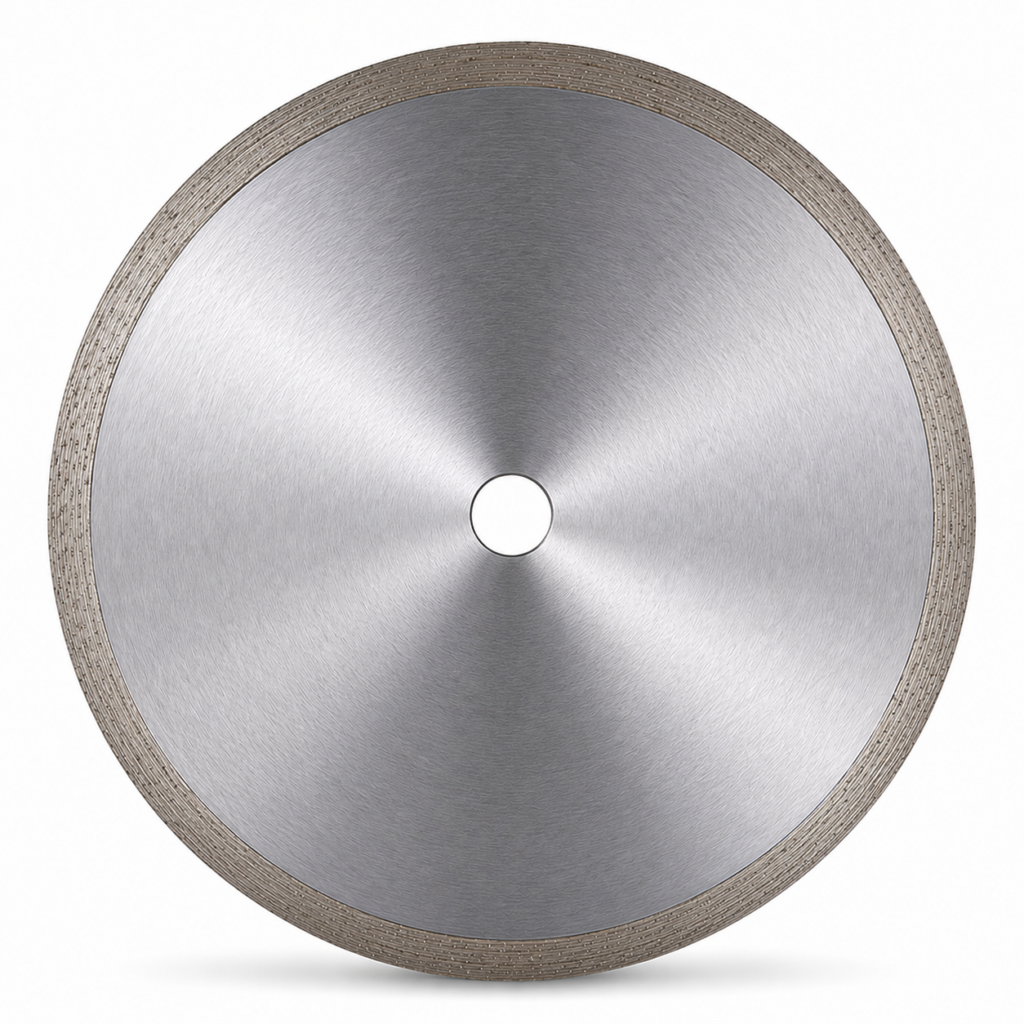
DOT All-Cut General Purpose Blade
Value general-purpose diamond blade for concrete, masonry & brick, 4.5–14″. Fits grinders and cut-off saws.
Price range: $15.00 through $55.00 -
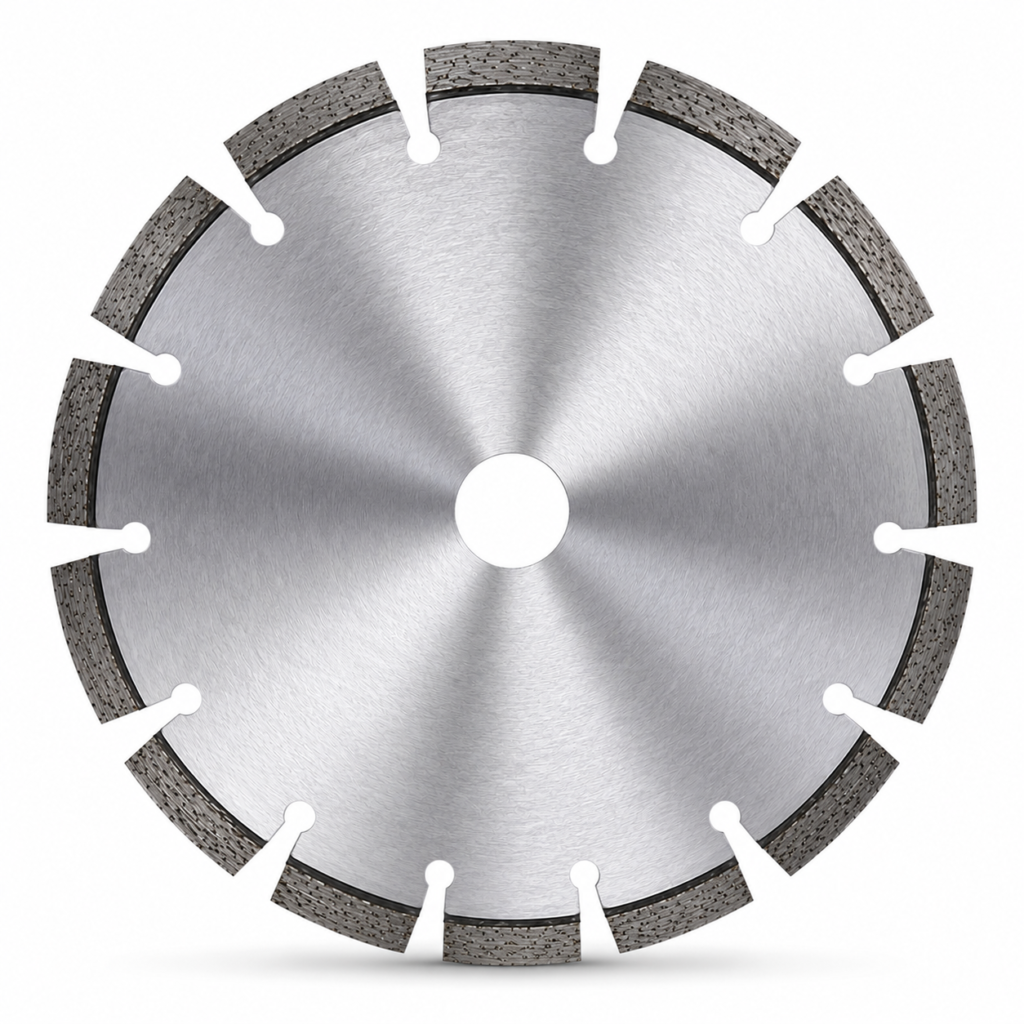
DOT All-Purpose Combo Blade
Combination diamond blade for concrete, brick, block & masonry, 7–14″. One blade for mixed handheld cutting.
Price range: $40.00 through $85.00 -
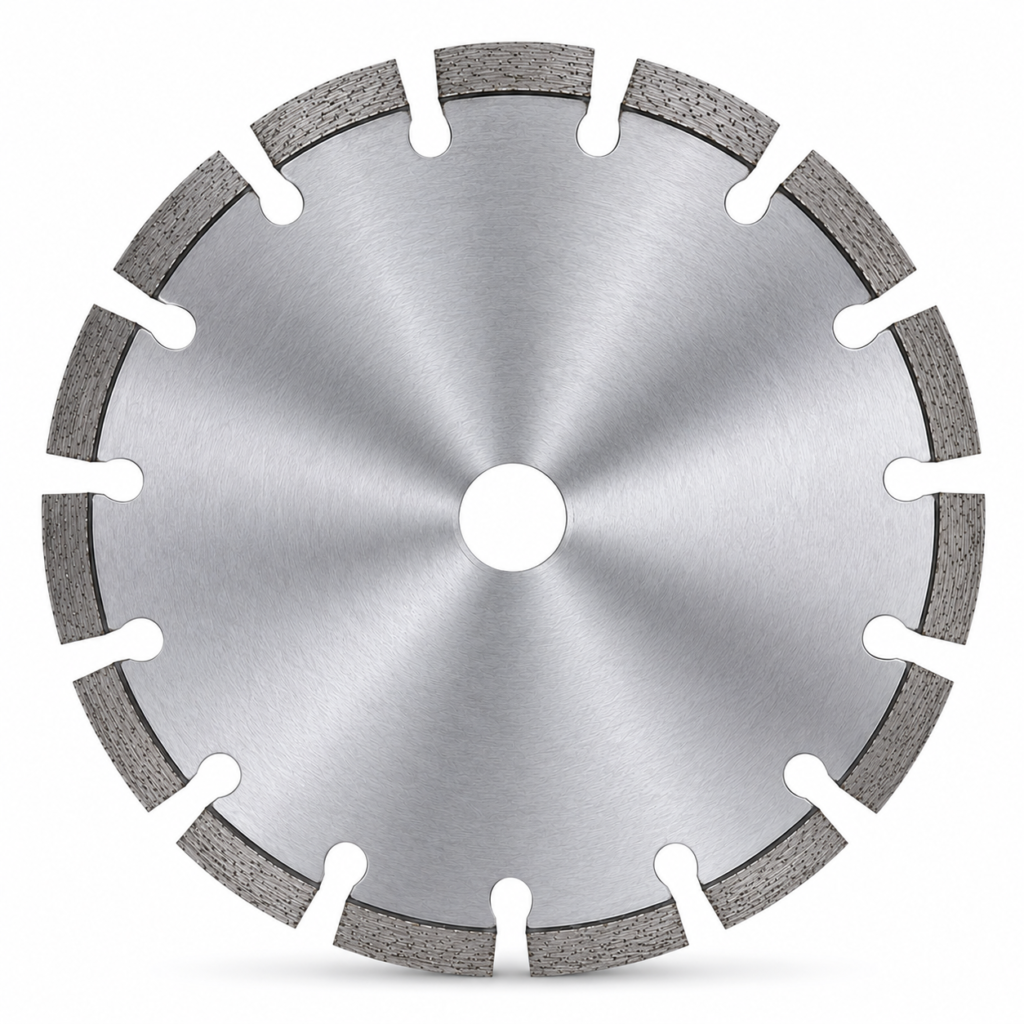
DOT Asphalt Pro Blade
Hard-bond asphalt diamond blade with undercut protection, 14–36″. Built for abrasive asphalt, roads & utility work.
Price range: $160.00 through $475.00 -

DOT Early-Entry Green Concrete Blade
Hard-bond early-entry blade for control joints in green concrete, 6″–12″. Runs dry in an early-entry system.
Price range: $70.00 through $160.00 -
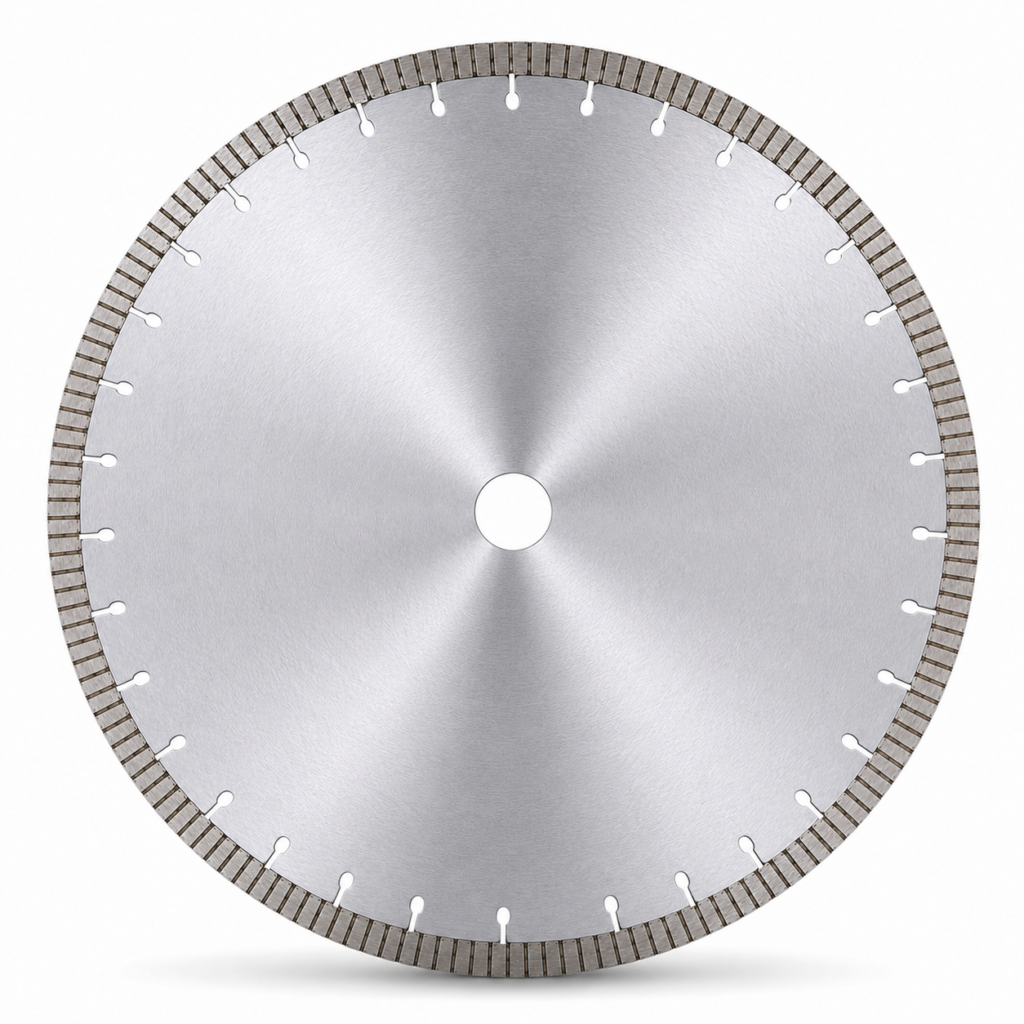
DOT Granite Bridge Saw Blade
Diamond bridge-saw blade for granite & engineered stone, 14–20″, 1″/50mm arbor. Wet cut for clean fabrication.
Price range: $210.00 through $315.00 -
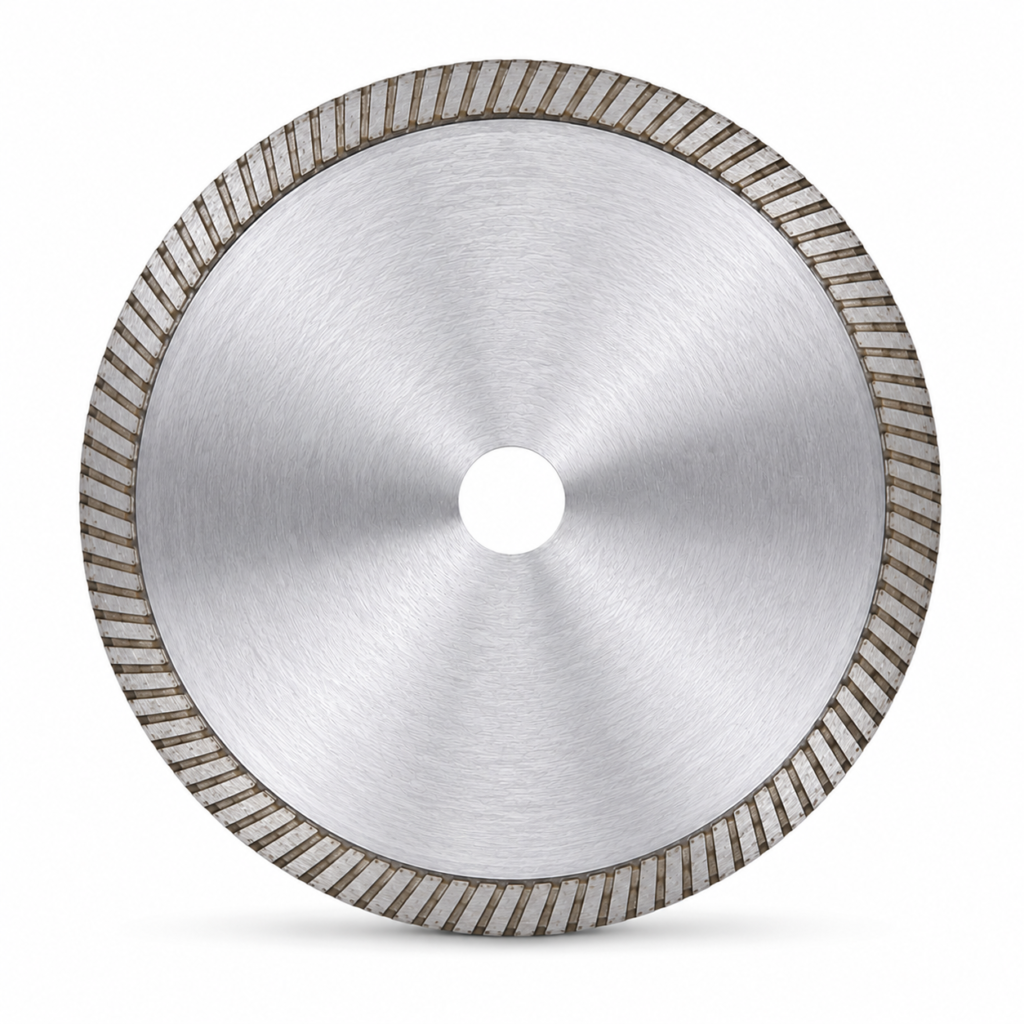
DOT Masonry & Block Blade
Turbo-rim diamond blade for block, brick & CMU, 7–14″. Fast, clean cuts wet or dry on handheld and table saws.
Price range: $35.00 through $75.00 -
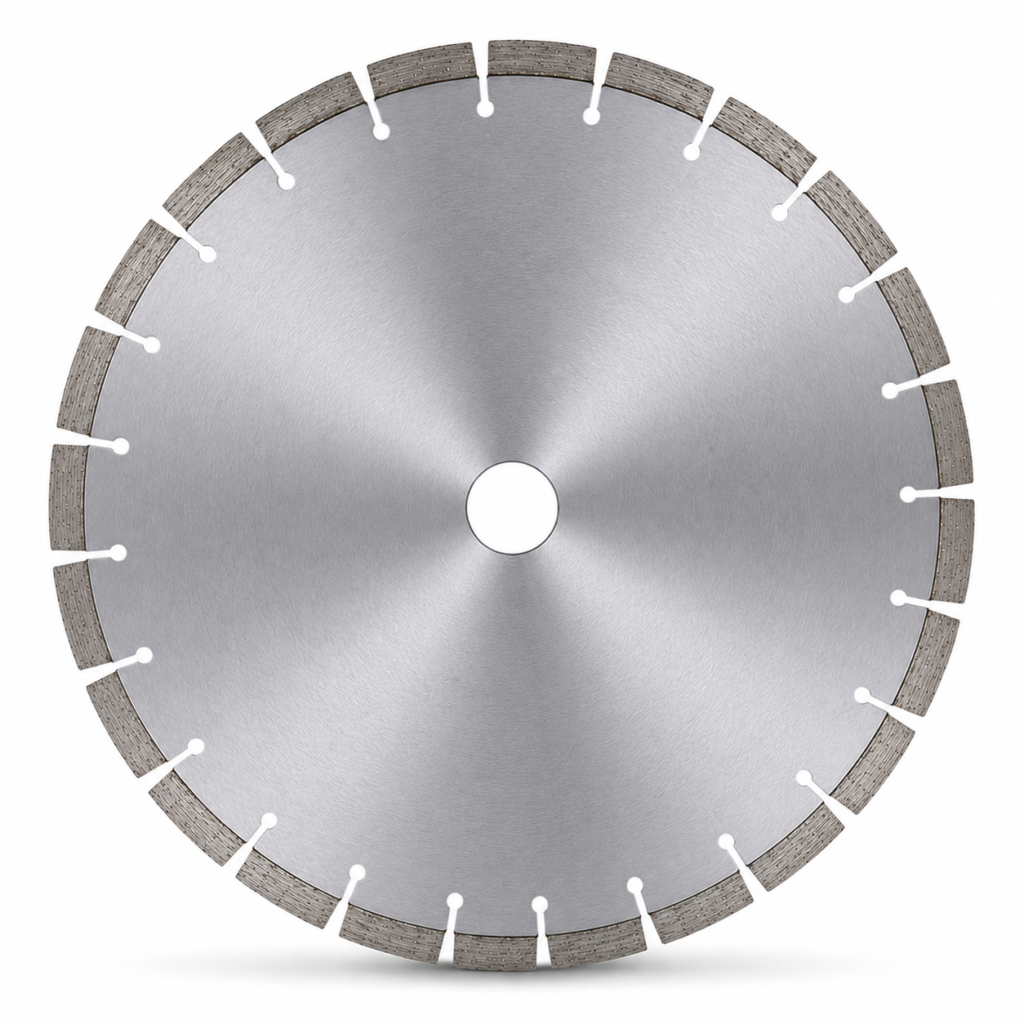
DOT Paver & Brick Blade
Hard-bond diamond blade for pavers, brick & hardscape, 12–14″. Dry-cut durability for on-site work.
Price range: $90.00 through $110.00 -
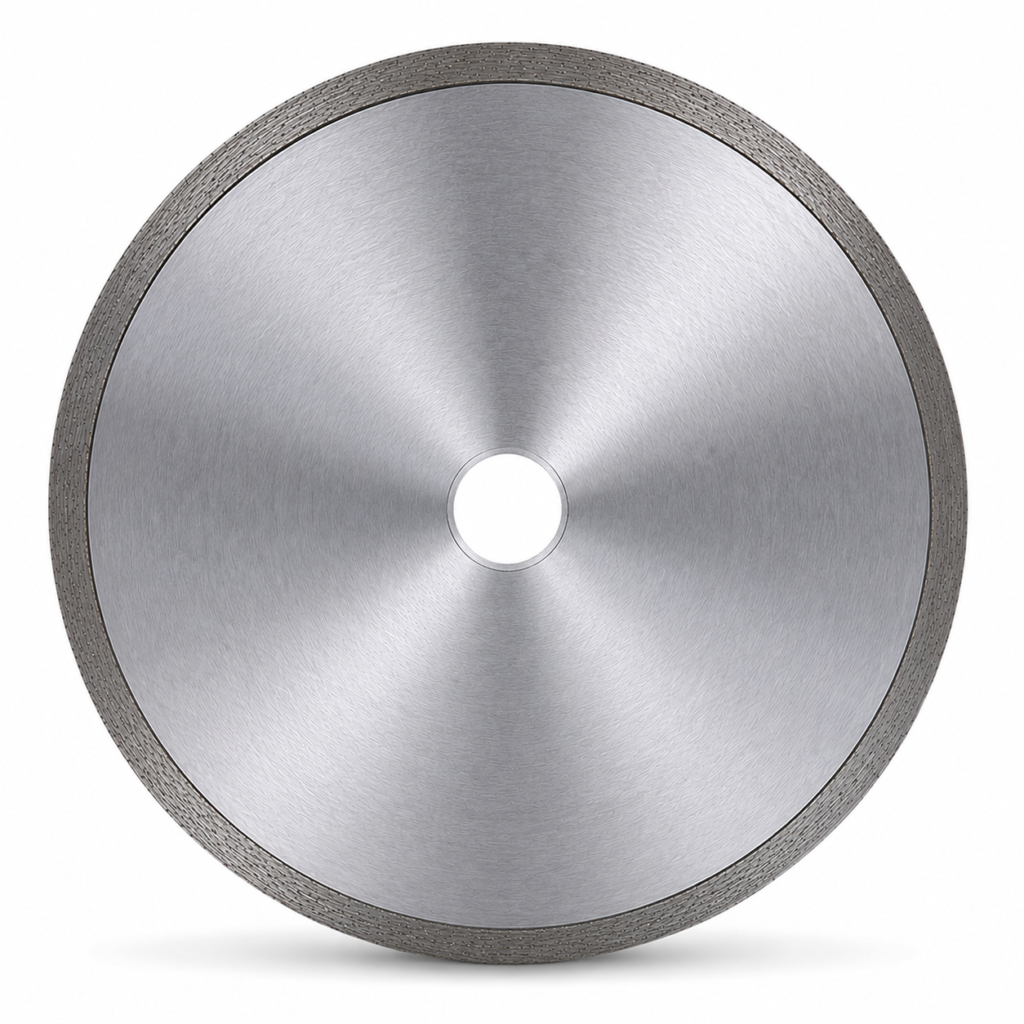
DOT Porcelain & Tile Blade
Continuous-rim diamond blade for chip-free porcelain & tile, 7–14″. Run wet for finished, crack-free edges.
Price range: $45.00 through $95.00 -
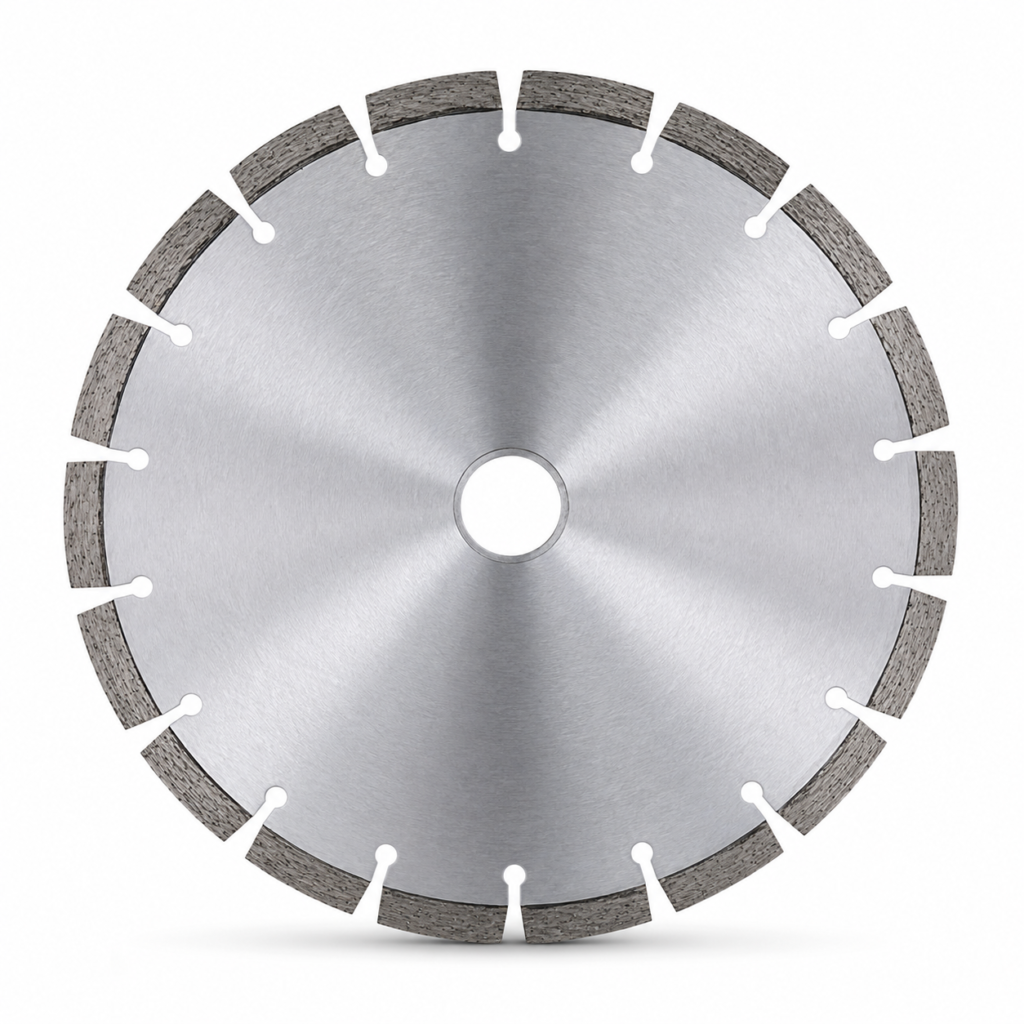
DOT Pro Cured Concrete Blade
Soft-bond segmented diamond blade for hard & cured concrete, 12–24″. Cut wet for long life. Sizes & contractor pricing inside.
Price range: $100.00 through $225.00 -
DOT Road Saw Blade (High-HP Flat Saw)
Hard-bond segmented road saw blade, 42″–54″, for full-depth pavement on high-horsepower flat saws. Wet cutting only.
Price range: $675.00 through $875.00 -
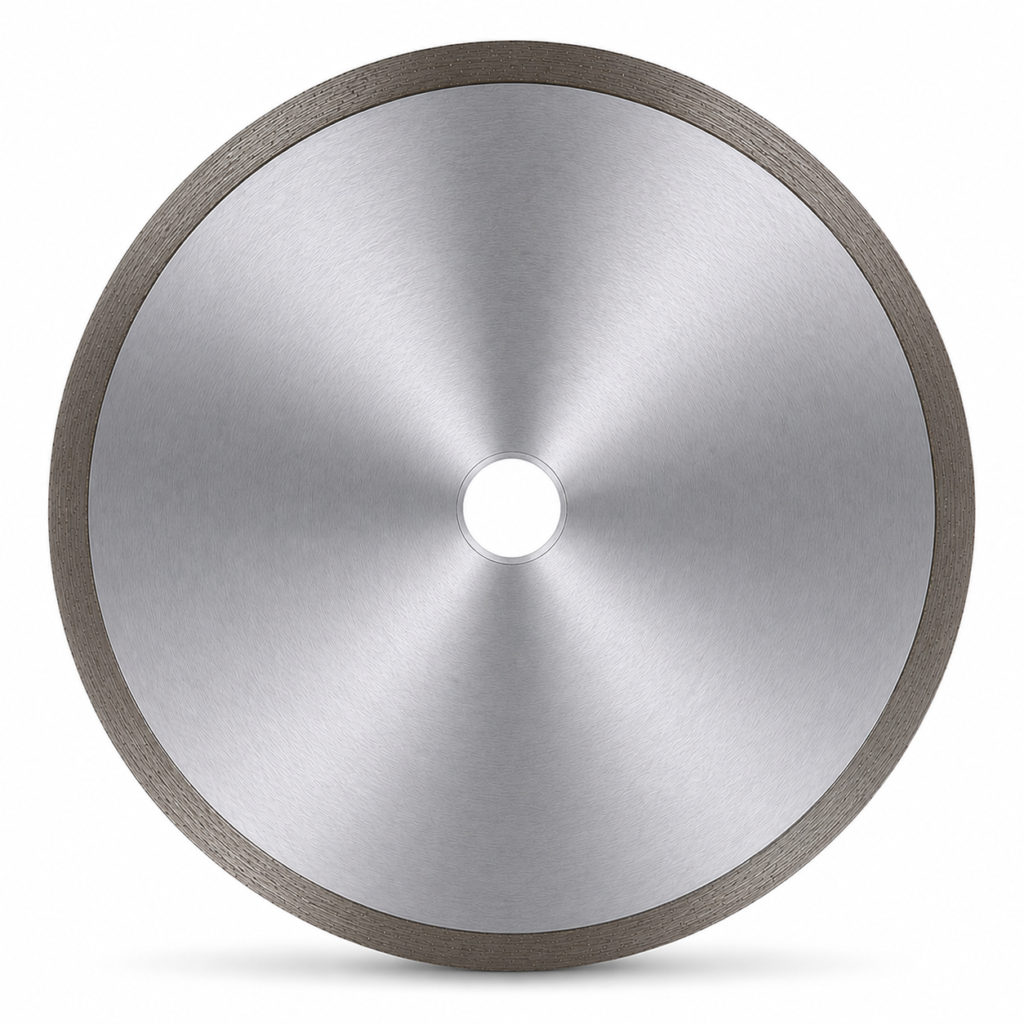
DOT Stone & Marble Blade
Continuous-rim diamond blade for smooth marble & stone cuts, 7–14″. Run wet for chip-free edges.
Price range: $40.00 through $90.00 -
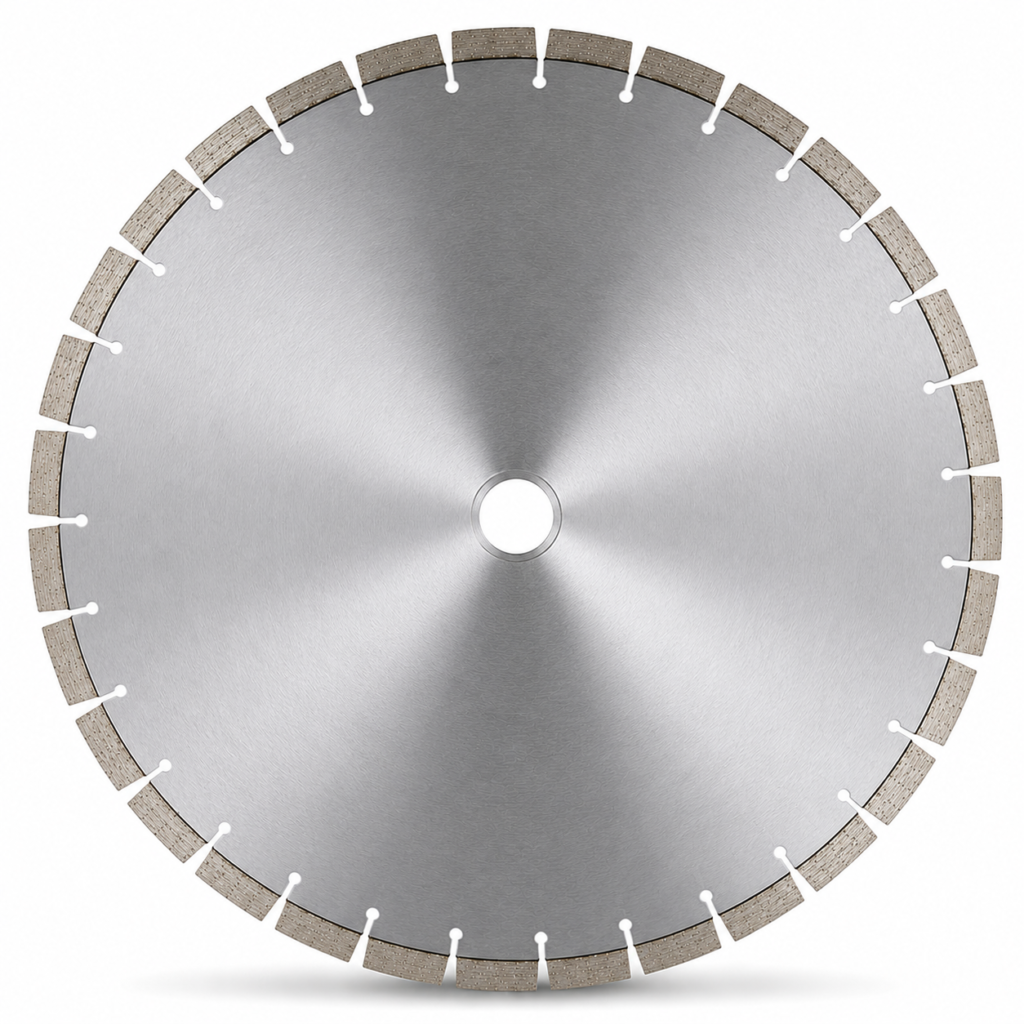
DOT Walk-Behind Pro Blade
High-speed walk-behind diamond blade for slab & roadway, 18–36″, 1″ arbor. Cut wet for maximum life.
Price range: $255.00 through $565.00 -
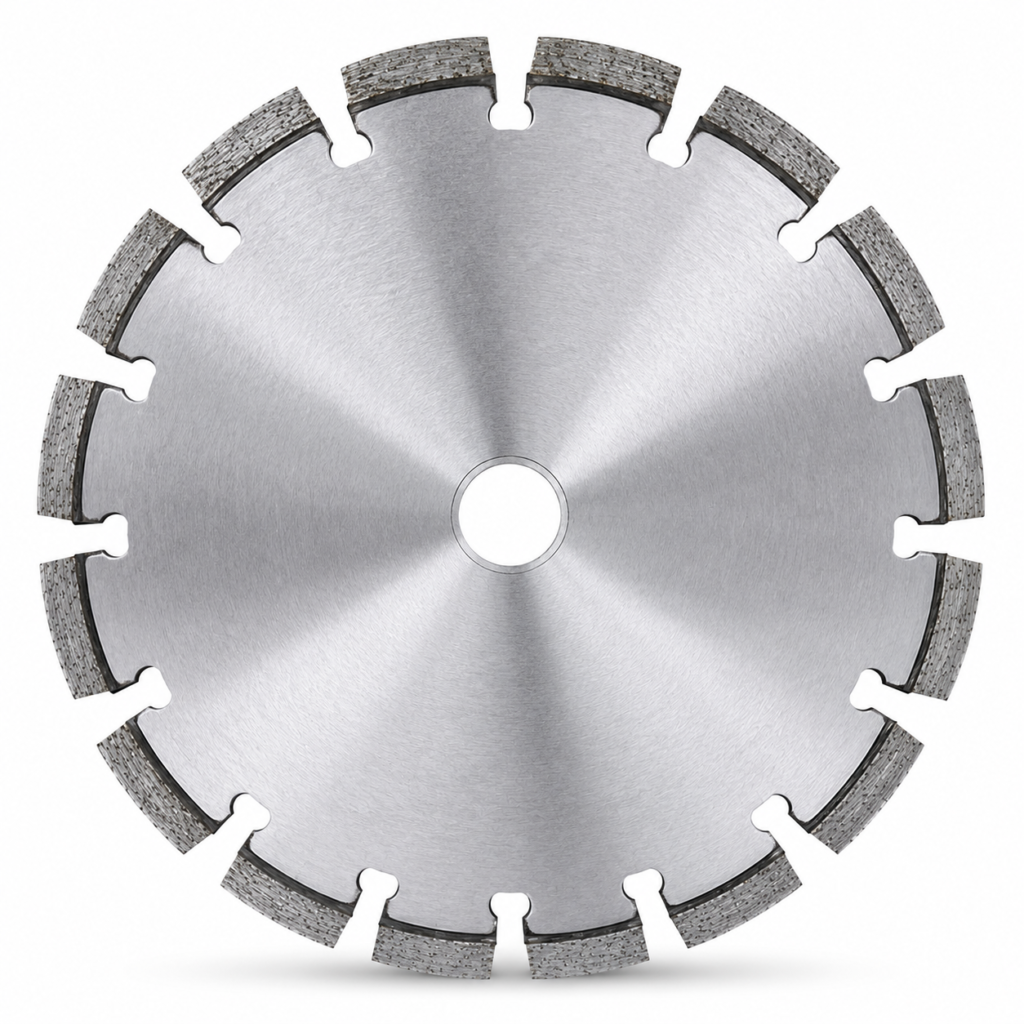
DOT XT Green Concrete Blade
Hard-bond diamond blade for green & abrasive concrete, 14–36″, with undercut protection. Built for fresh pours and roadwork.
Price range: $150.00 through $445.00
Diamond Saw Blades for Every Material
The right diamond blade is matched to the material you’re cutting — and getting that match right is the difference between a blade that lasts a season and one that burns up before lunch. DOT Diamond Tools supplies professional saw blades for concrete, asphalt, masonry, tile, and stone, sized from 4″ angle-grinder wheels to 36″ walk-behind blades, all from a team led by a founder with 35+ years in diamond tooling.
Choose Your Blade by Material
Shop by what you’re cutting:
Concrete blades — cured, hard, and green concrete.
Asphalt blades — hard-bond, undercut-protected for abrasive asphalt.
Masonry and block blades — brick, block, and CMU.
Tile and porcelain blades — chip-free continuous rim.
Stone, marble and granite blades — wet-cut bridge and slab work.
Paver and brick blades — hardscape and retaining wall.
General purpose — one blade for mixed work.
How a Diamond Blade Actually Cuts
A diamond blade does not slice — it grinds. Industrial diamonds are suspended in a metal bond matrix, and as the blade spins those exposed diamonds abrade the material away. Each diamond eventually dulls and fractures, the bond around it wears back and releases it, and a fresh diamond underneath takes over. That self-sharpening cycle is the whole game. When the bond wears at the same rate the diamonds dull, the blade cuts fast and lasts a long time. When the balance is wrong in either direction, you get a blade that glazes over or one that wears away long before its diamonds are used up.
Matching Bond Hardness to Material
Here is the rule that catches most people out, because it sounds backwards: hard material needs a soft bond; soft, abrasive material needs a hard bond. Cured concrete, granite and engineered stone are hard and dull diamonds quickly, so the bond has to wear away fast enough to keep exposing new ones — that is a soft bond. Asphalt, green concrete, block and fresh masonry are abrasive and sandy; they scour the bond away on their own, so you need a hard bond to hold the diamonds in place long enough to do their work. Put a soft-bond concrete blade into asphalt and you will watch it disappear two to three times faster than it should. Put a hard-bond asphalt blade into cured concrete and it will glaze over, stop cutting, and start smoking.
Segmented, Turbo or Continuous Rim
The rim style sets your trade-off between speed and finish. Segmented blades have gullets between the segments that clear slurry and cool the steel; they cut fastest and most aggressively, and they are the standard for concrete, asphalt and masonry where a slightly rough edge does not matter. Turbo rims use a serrated, continuous edge that cuts nearly as fast but leaves a cleaner line, and they handle dry work better than most segmented blades. Continuous rim blades have no gullets at all — they cut slowest but give a chip-free finish, which is why they are the only sensible choice for porcelain, tile, marble and finished stone edges. Combo rims split the difference for crews doing mixed work.
Wet Cutting, Dry Cutting and Silica Dust
Cut wet whenever the job allows it. Water cools the core, flushes slurry out of the kerf and typically doubles or triples blade life, and it produces a cleaner, straighter cut. It also matters for compliance: respirable crystalline silica from dry concrete cutting is regulated under OSHA’s silica standard, and integrated water delivery or a dust-collection system is what puts you inside OSHA Table 1. Dry cutting has its place — short cuts, indoor work where slurry is unacceptable, or sites with no water supply — but it demands a blade rated for dry use, a slower feed, and frequent cooling passes where you let the blade spin free in air to shed heat.
Blade Diameter, Arbor and Depth of Cut
Blade diameter sets your maximum depth of cut, and the working rule is roughly one third of the diameter once you account for the arbor and blade guard — a 14″ blade gives you about 4-1/2″ to 5″ of depth, and a 20″ blade about 6-1/2″. Cutting deeper than a blade is designed for overloads the core and risks segment loss. Arbor sizes follow the saw: angle grinders and small handhelds are typically 7/8″ or 5/8″, high-speed cut-off saws and walk-behind saws run 1″ or 20mm, and bridge saws for stone often use 1″ or 50mm. Reducer bushings let one blade fit several machines — but always check the maximum operating speed stamped on the blade against your saw’s RPM before you mount it.
Getting the Most Life From a Blade
Most blades die early for reasons that are entirely avoidable. Glazing — a shiny, polished rim that stops cutting — means the bond is too hard for the material; you can restore the edge by making a few cuts into an abrasive block or dressing stone to expose fresh diamond. Undercutting, where the steel core behind the segments erodes away, comes from slurry blasting an unprotected core, and it is why asphalt blades carry protective wear segments. Segment loss usually traces back to overheating, forcing the feed, or cutting out of line and twisting the blade in the kerf. Let the blade cut at its own pace, keep it straight in the cut, and never force it — pressure does not speed up a diamond blade, it just destroys it.
Frequently Asked Questions
How do I pick the right diamond blade?
Start with the material — concrete, asphalt, masonry, tile or stone — then match the bond to its hardness, choose the rim type for the finish you need, size the blade to your saw and arbor, and cut wet whenever the job allows it.
Why does hard material need a soft bond?
Hard material dulls diamonds quickly, so the bond has to erode fast enough to keep releasing fresh ones. A hard bond holds spent diamonds in place, the blade glazes over and stops cutting. Soft, abrasive material does the opposite — it strips bond away on its own, so it needs a hard bond to hold the diamonds in.
Can I use a concrete blade on asphalt?
You can, but it is an expensive mistake. Asphalt is soft and abrasive and will wear a soft-bond concrete blade two to three times faster than normal. Use a hard-bond asphalt blade with undercut protection instead.
What is the difference between segmented, turbo and continuous rim blades?
Segmented blades cut fastest and clear slurry through their gullets, suiting concrete, asphalt and masonry. Turbo rims cut nearly as fast with a cleaner edge and handle dry work well. Continuous rim blades cut slowest but leave a chip-free finish for tile, porcelain and polished stone.
How deep can a diamond blade cut?
Roughly one third of the blade diameter once the arbor and guard are accounted for. A 14″ blade gives about 4-1/2″ to 5″ of depth and a 20″ blade about 6-1/2″. For deeper cuts, step up in diameter or move to a walk-behind saw.
What arbor size do diamond blades use?
Angle grinders and small handheld saws are usually 7/8″ or 5/8″; high-speed cut-off saws and walk-behind saws use 1″ or 20mm; bridge saws for stone often use 1″ or 50mm. Reducer bushings adapt one blade to several machines.
How long should a diamond blade last?
It depends on the material, how well the bond is matched, whether you run wet or dry, and operator technique. A well-matched wet-cut blade can outlast a mismatched dry-cut one several times over. Glazing, undercutting and segment loss are nearly always signs of a mismatch or a forced feed rather than a faulty blade.
Can a diamond blade cut through rebar?
Yes, if it is rated for reinforced concrete. Slow the feed when you reach steel and keep water flowing to cool it. A blade with a soft bond and a reinforced core handles rebar without shedding segments.
Tell us what you’re cutting and we’ll match the blade to the material and your saw — call our team at (701) 922-1526.