Showing all 2 results
-
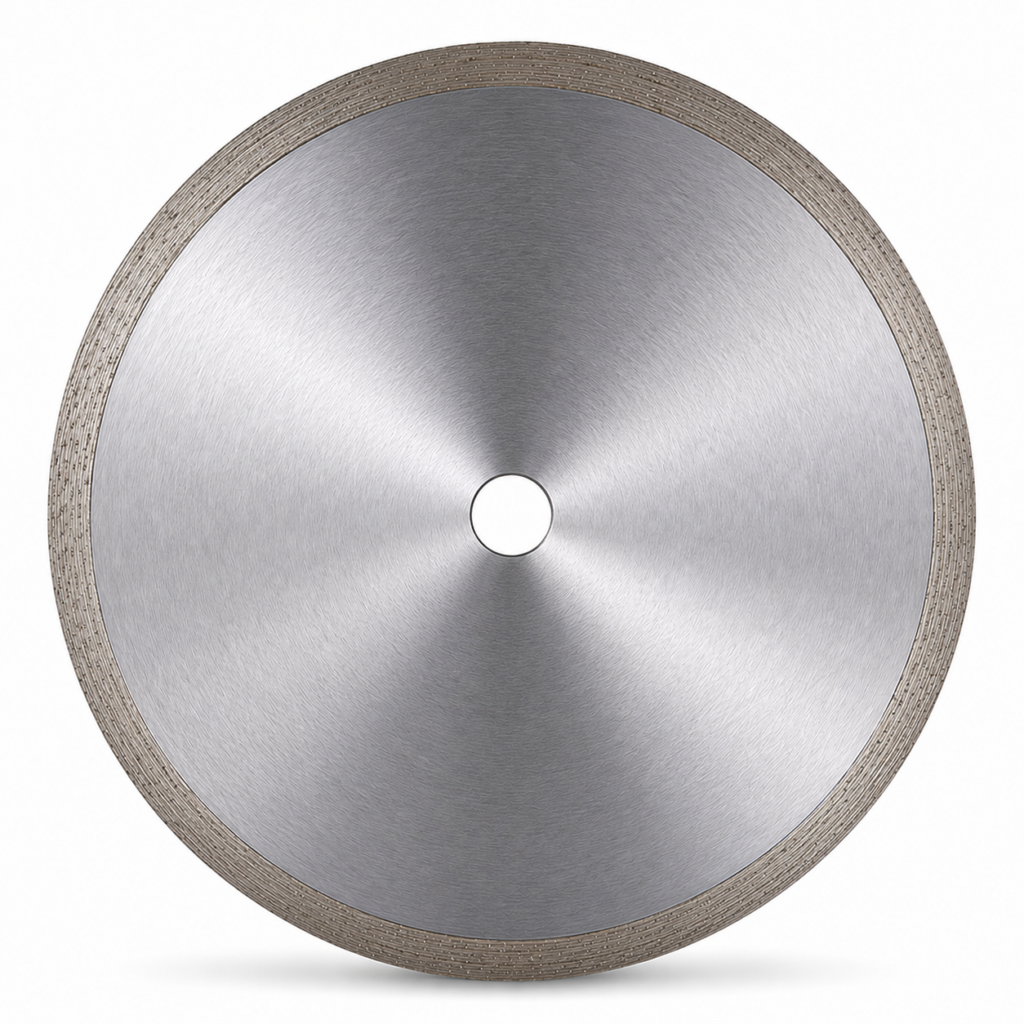
DOT All-Cut General Purpose Blade
Value general-purpose diamond blade for concrete, masonry & brick, 4.5–14″. Fits grinders and cut-off saws.
Price range: $15.00 through $55.00 -
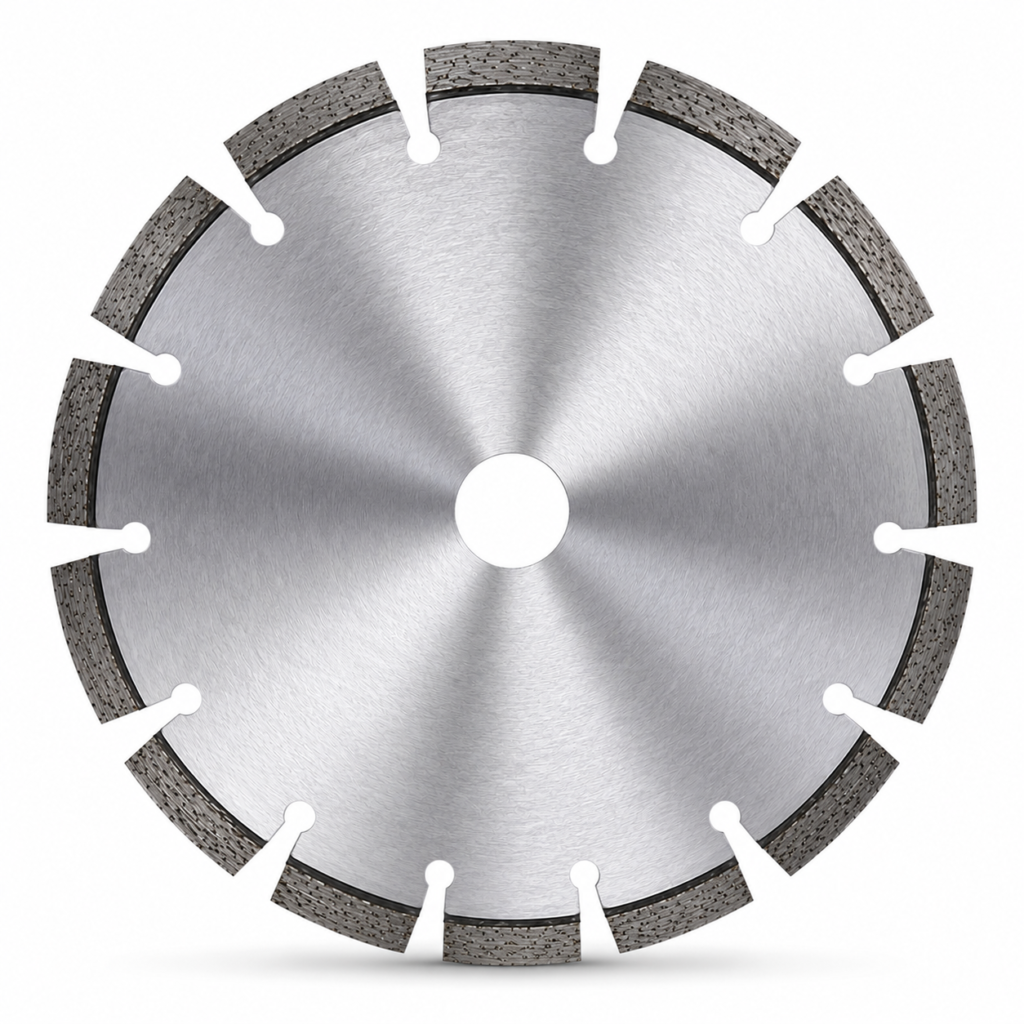
DOT All-Purpose Combo Blade
Combination diamond blade for concrete, brick, block & masonry, 7–14″. One blade for mixed handheld cutting.
Price range: $40.00 through $85.00
General Purpose Diamond Blades
Not every cut justifies a matched blade. Trimming a few blocks to fit, dressing a slab edge, opening a hole for a junction box, cutting a stub of rebar chair flush, squaring up a patch before a repair. This is the blade that lives in the truck box and gets picked up without much thought, and there is a real argument for owning one alongside your specialist range rather than instead of it.
What a general purpose blade actually is
A medium bond and a turbo rim, which is a genuine middle setting rather than a compromise nobody wanted. The medium matrix survives abrasive block without shedding diamond and still cuts cured concrete acceptably, while the turbo rim clears enough debris to run dry across all of it. What you give up is optimisation: it will not out-cut a soft-bond blade in hard concrete, and it will not out-last a hard-bond blade in block. What you gain is not stopping to change blades.
Being honest about grade
Our All-Cut General Purpose Blade is an economy grade blade and it is priced that way. Diamond concentration is lower than the professional range, so on sustained production cutting it wears faster and works out dearer per linear foot than a properly matched blade. For occasional, mixed, small-scale cutting it is the sensible purchase, and spending two hundred dollars on a blade for that work is not.
Where it earns its place
Punch-list and snagging work where you cannot predict the material. Second-fix cutting during fit-out. Maintenance crews covering a building or a site where the next job is unknown. Small repairs and remedial work. Anyone who cuts occasionally rather than daily. The common thread is unpredictability, which is precisely the condition a matched blade cannot serve.
Where it is the wrong buy
Cured slab sawing, control joints, production block work, roadway cutting and anything where you know the material in advance and will be cutting it all week. In those cases the blade cost is a small fraction of the job cost, and a matched bond will cut faster, last longer and cost less per foot. Buy from the matched blade ranges instead.
Sizes and fit
Four and a half to fourteen inches, which is the widest span in our blade range and reflects what the blade is for. The small sizes mount on a standard angle grinder, which is the tool most likely to be in the back of a van. The larger sizes suit handheld cut-off saws. Expect about a third of the diameter in depth per pass, so 4-1/2 inches gives roughly an inch and a half and a 14 inch blade around 4-1/2 inches.
Dry cutting and dust
General purpose blades are dry-rated because they exist for work where rigging water is disproportionate to the job. That convenience is also the risk: dry cutting concrete and masonry generates respirable silica regardless of how small the job is, and a two-minute cut still requires control. On-tool extraction or a water bottle on the saw covers it. See silica dust control and OSHA Table 1.
Frequently Asked Questions
What can a general purpose blade cut?
Block, brick, concrete and general masonry, dry, without a blade change. It is formulated as a genuine middle setting rather than being optimized for any one of them.
Is a general purpose blade good enough for concrete?
For occasional cuts, yes. For sustained cutting in cured concrete a soft-bond matched blade will cut faster, last considerably longer and cost less per linear foot. The general purpose blade is about convenience, not economy at volume.
Why is my general purpose blade wearing out so fast?
Most likely you are using it for production work in a single material. Economy grade blades have lower diamond concentration and are designed for intermittent use. Switch to a matched blade for the material you cut most.
What size general purpose blade should I buy?
If it is going in a van with an angle grinder, 4-1/2 or 5 inch. If you carry a handheld cut-off saw, 12 or 14 inch gives useful depth. A 14 inch blade cuts roughly 4-1/2 inches in a pass.
Can I run a general purpose blade wet?
It is dry-rated, and where your saw has a water feed using it will extend blade life and control dust. The blade does not require water the way a continuous rim does.
Should I buy one blade or several?
Both, for different reasons. Keep a general purpose blade for unpredictable work, and matched blades for whatever material you cut regularly. The general purpose blade is a supplement to a specialist range, not a replacement for it.
Do I still need dust control for small cuts?
Yes. Respirable silica is generated by the cut, not by the duration, and a short job in an enclosed space can be worse than a long one outdoors. Use extraction or water even on quick cuts.
Call our team on (701) 922-1526 and we will tell you honestly whether a matched blade would serve you better.