
Showing all 5 results
-
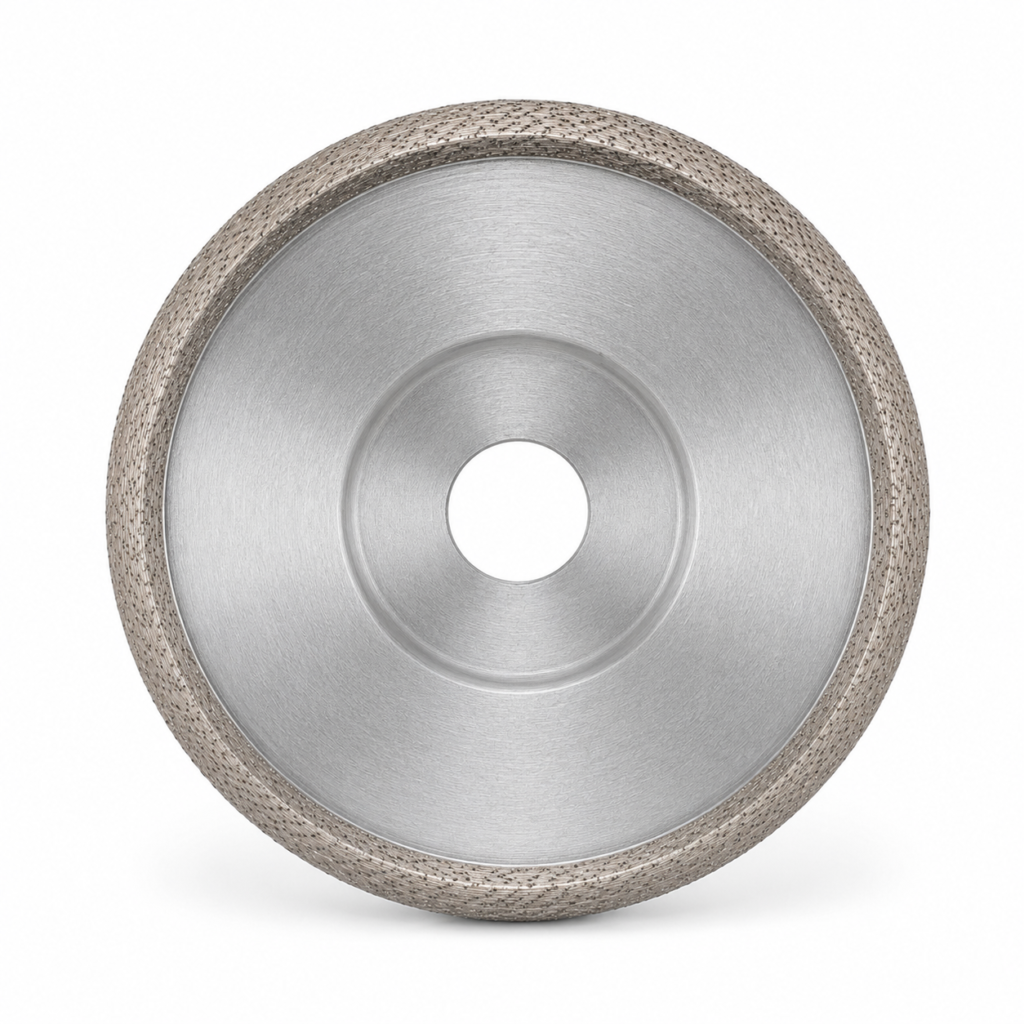
DOT Crack Chaser Blade
V-segment diamond crack-chaser blade for routing concrete & asphalt cracks before repair, 4–5″.
Price range: $45.00 through $55.00 -
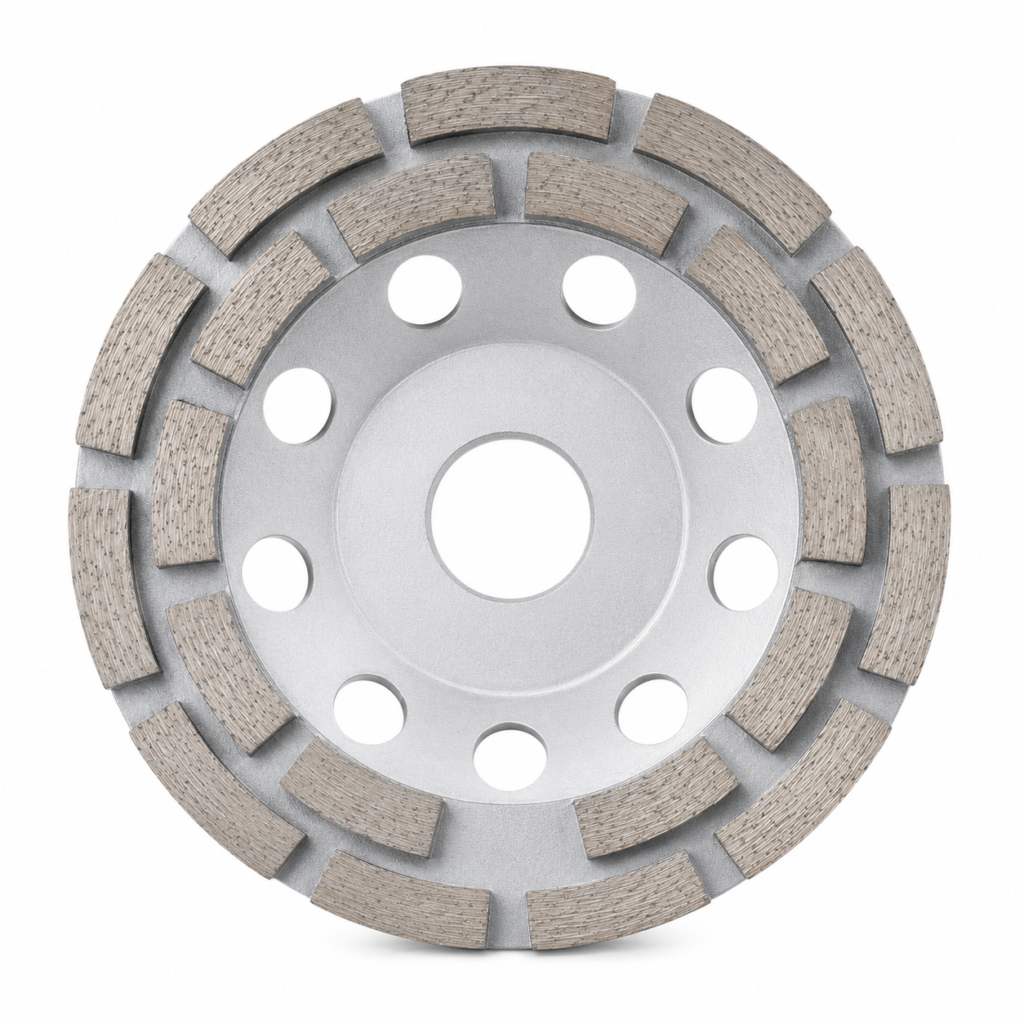
DOT Double Row Cup Wheel
Aggressive double-row diamond cup wheel for fast coating & concrete removal, 4–7″.
Price range: $45.00 through $79.00 -
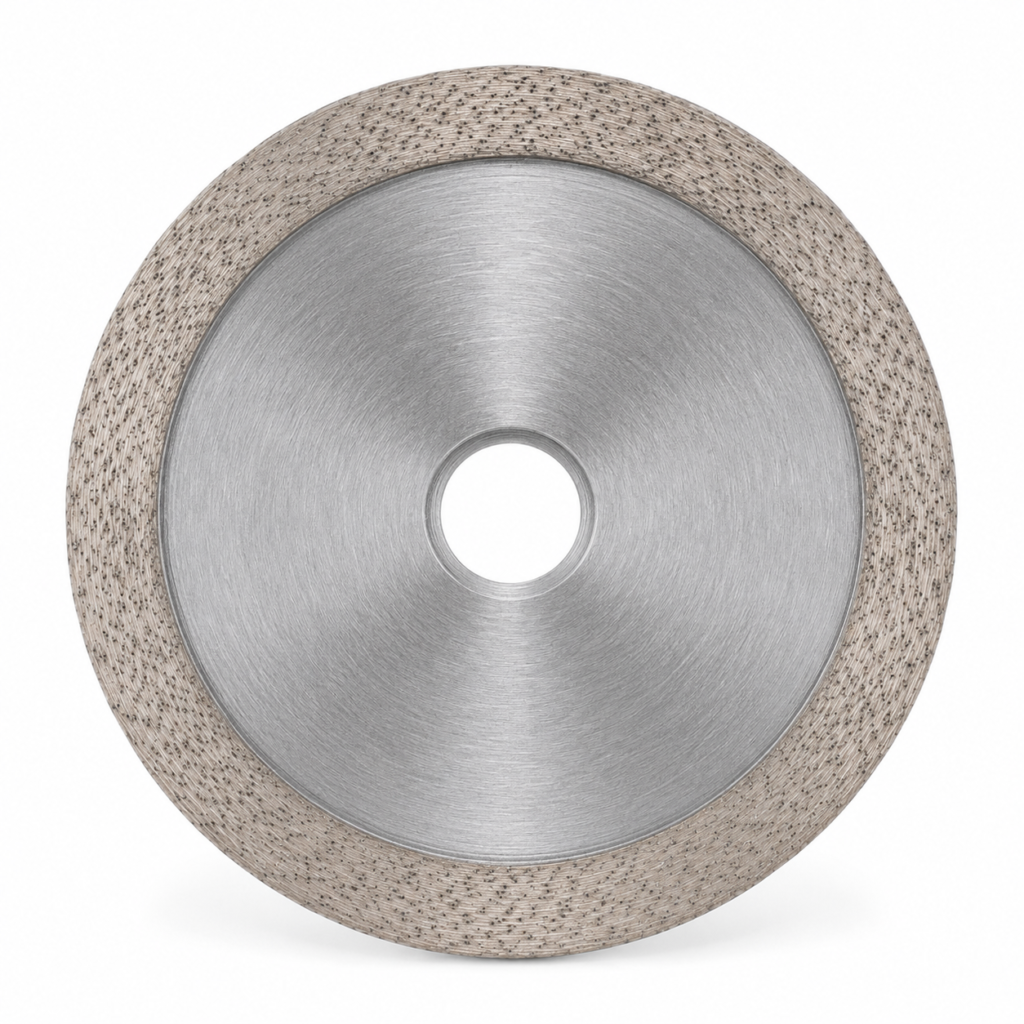
DOT Tuck Point Blade
Thick-rim diamond tuck-point blade for removing mortar joints before repointing, 4–5″.
Price range: $45.00 through $55.00 -
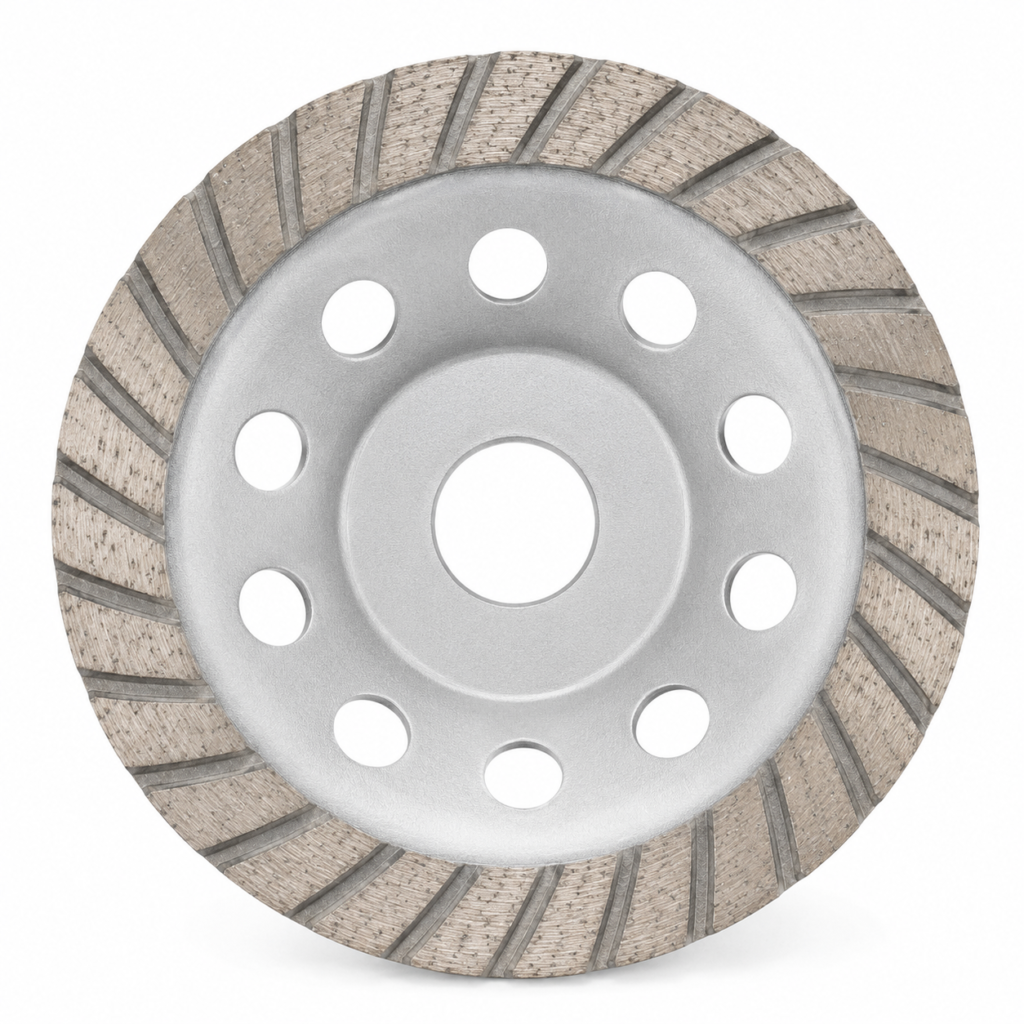
DOT Turbo Cup Wheel
Turbo diamond cup wheel for grinding concrete & masonry, 4–7″. Coating removal and surface prep.
Price range: $45.00 through $79.00 -

DOT Wet Polishing Pad Set (7-pc)
7-step wet diamond polishing pad set for stone & concrete, grits 50–3000, 4″ & 5″. Grind to a mirror finish.
$109.00
Grinding, Cup Wheels and Surface Prep
Cutting is only half the work. Once a slab is poured, patched or exposed, somebody has to grind it flat, strip the old coating, chase out the cracks, rake the joints and bring the surface up to a finish. DOT stocks the diamond tooling for all of it — cup wheels for grinding concrete and masonry, tuck-point and crack-chaser blades for joint and crack work, and polishing pads for stone and concrete finishing — with our founder’s 35+ years of diamond-tooling experience behind the selection.
Cup Wheels for Grinding and Coating Removal
A diamond cup wheel mounts on an angle grinder and removes material fast across a flat face. The segment layout decides how it behaves. Double-row cup wheels put two concentric rings of segments on the face for aggressive stock removal — levelling high spots, taking down trowel marks, stripping thick coatings and mastic. Turbo cup wheels use a continuous, waved rim that removes less per pass but leaves a far smoother surface, which is what you want for finishing work and for feathering into an existing floor. A common mistake is trying to do both jobs with one wheel: double-row first for speed, turbo second for finish.
Matching Wheel Size to Grinder
Cup wheels are sized to the machine, not the job. A 4″ or 4.5″ wheel suits a standard 11,000 RPM angle grinder and gets into corners and along walls. A 5″ wheel is the general-purpose choice. A 7″ wheel covers ground quickly on open floors but needs a large grinder with the torque to drive it and the guard to match. Always check the maximum RPM stamped on the wheel against your grinder’s rated speed before mounting — overspeeding a cup wheel is genuinely dangerous. Most cup wheels use a 5/8″-11 thread that screws directly onto the grinder spindle.
Tuck Point and Crack Chaser Blades
These two look similar and do very different jobs. Tuck-point blades carry a thick rim, usually around 1/4″, designed to rake old mortar out of masonry joints ahead of repointing. The thickness matters: it grinds the joint to a consistent width without chewing into the brick or block either side. Crack-chaser blades use a V-shaped segment profile to rout out a crack in concrete or asphalt into a clean, tapered channel. That channel is the entire point — filler bonds to sound material and to two angled faces, so a chased crack stays repaired while a filled hairline crack simply opens again.
Polishing Pads and Progressive Grits
Wet polishing pads take stone and concrete from a ground surface to a mirror finish by working through progressive grits, typically 50 through 3000. The principle is simple and unforgiving: each grit exists only to remove the scratch pattern left by the one before it. Skip a step and you will still see the coarse scratches under the gloss at the end, and the only fix is to go back. Work wet to control heat and dust and to keep the pad clear. This is the standard method for countertop edges, vanity cut-outs and polished-concrete floors.
Getting Longer Life From Grinding Tools
The bond rule that governs saw blades governs cup wheels too: hard, dense concrete wants a softer bond so the matrix keeps releasing fresh diamond, while soft, green concrete and abrasive block want a harder bond that resists being scoured away. If a wheel stops cutting and starts sliding across the surface, it has glazed — the bond is too hard for what you are grinding, and dressing it on an abrasive block will re-expose the diamond. Let the weight of the machine do the work instead of leaning on it, because pressure generates heat and heat is what strips segments off a wheel. Keep the tool moving in overlapping passes rather than dwelling in one spot, which avoids both gouging and localised overheating. Finally, replace a worn shroud skirt promptly; once the brush is gone the extraction rate drops sharply and you are back to breathing what you grind.
Dust, Silica and Guarding
Dry grinding concrete produces respirable crystalline silica in serious quantities — considerably more than most cutting operations, because you are abrading a wide surface rather than opening a narrow kerf. A dust shroud connected to a HEPA vacuum is the standard control and is what brings handheld grinding inside OSHA Table 1. Use the shroud that fits your wheel diameter, keep the brush skirt in good condition, and empty the vacuum before it loses suction. Wet polishing controls dust by its nature, which is one more reason it is the preferred method on finish work.
Frequently Asked Questions
Which cup wheel is best for removing coatings?
A double-row diamond cup wheel. The two rings of segments strip paint, epoxy, mastic and thick coatings quickly. Follow it with a turbo cup wheel if you need a smooth surface afterwards, and run a dust shroud and vacuum throughout.
What is the difference between a turbo and a double-row cup wheel?
Double-row wheels remove material aggressively and leave a coarser surface, suiting levelling and coating removal. Turbo wheels have a continuous waved rim that removes less per pass but leaves a much smoother finish, suiting final grinding and blending.
What is a tuck-point blade used for?
Raking old mortar out of masonry joints before repointing. Its thick rim grinds the joint to an even width without damaging the brick or block on either side.
What does a crack chaser blade do?
It routs a crack in concrete or asphalt into a clean V-shaped channel so filler has sound material and angled faces to bond to. Filling an unchased crack rarely holds.
How do polishing pad grits work?
You step up through the grits in order, from coarse around 50 to fine around 3000. Each grit removes the scratch pattern left by the previous one. Skipping grits leaves visible scratches under the final polish.
What size cup wheel fits my angle grinder?
Match it to the machine: 4″ to 4.5″ for a standard angle grinder, 5″ for general-purpose work, 7″ only on a large grinder with the torque and guard for it. Always check the wheel’s maximum RPM against your grinder’s speed.
Do I need a dust shroud for grinding concrete?
For any dry grinding, yes. Concrete grinding generates high levels of respirable silica, and a shroud paired with a HEPA vacuum is the recognized control measure under OSHA Table 1.
Why has my cup wheel stopped cutting?
It has glazed. The diamonds are polished flat and the bond is too hard for the material, so nothing fresh is being exposed. Dress it on an abrasive block, ease off the pressure, and check you are using the right bond for the surface.
Doing surface prep, joint work or polishing? Tell us the surface and the machine you are running — call our team at (701) 922-1526.