
Showing all 6 results
-
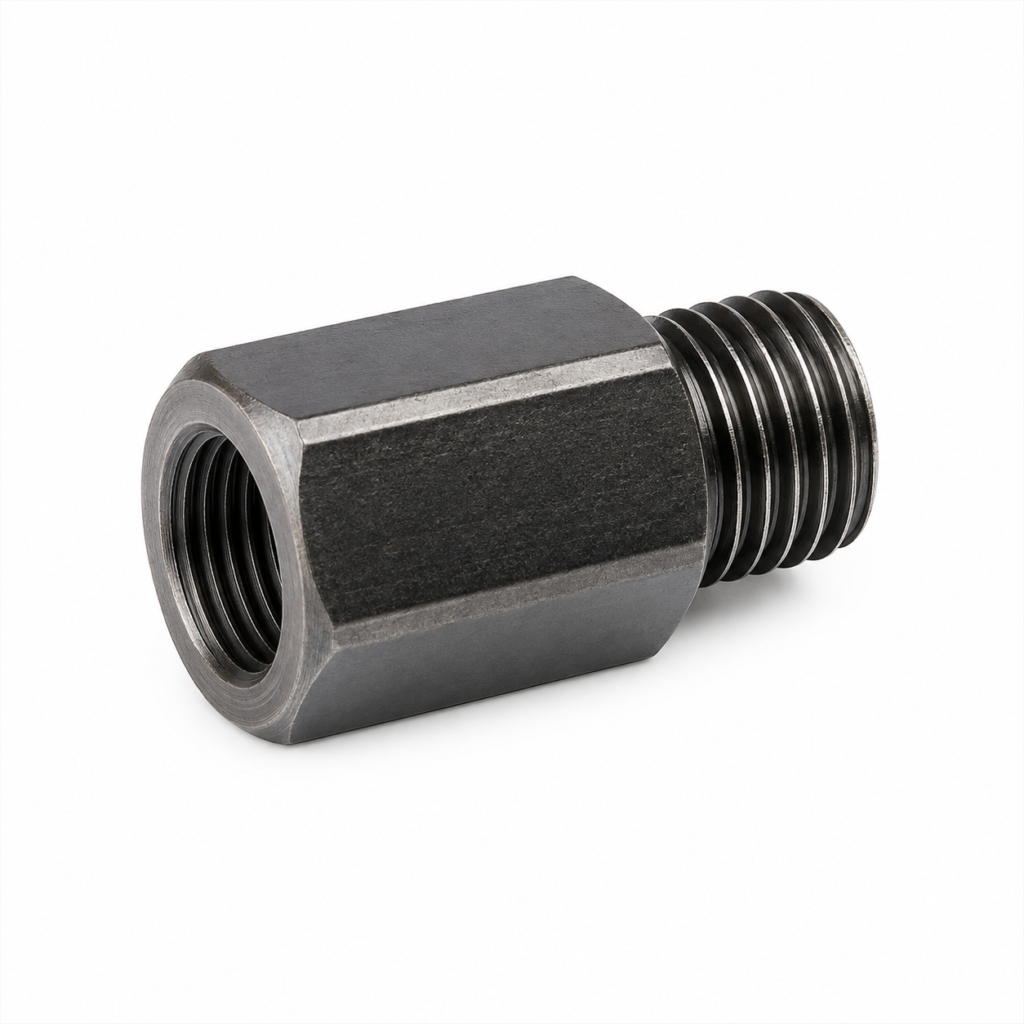
DOT Core Bit Adapter 5/8″-11 to 1-1/4″-7
Hardened thread adapter, 5/8″-11 to 1-1/4″-7, to run any core bit on any drill.
$24.00 -
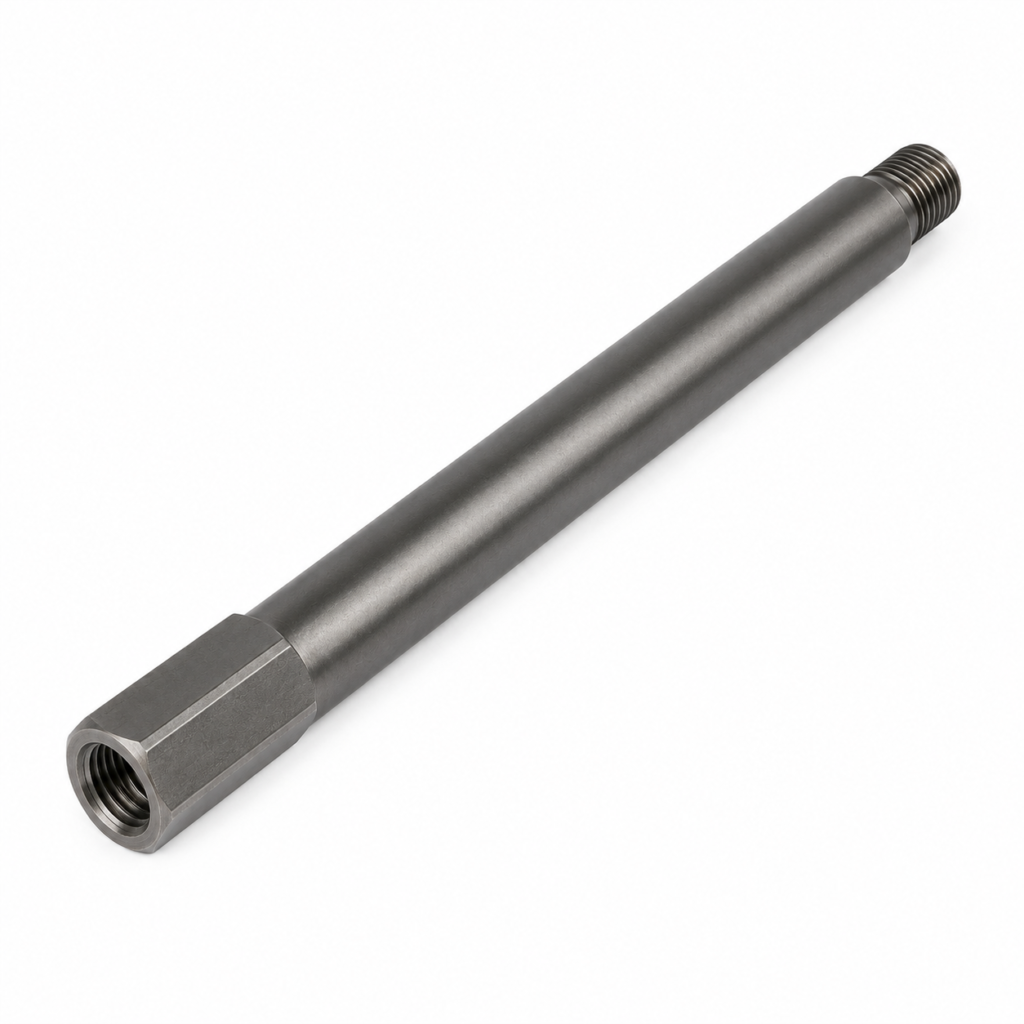
DOT Core Bit Extension 12″
12″ core bit extension, 1-1/4″-7 male/female, for deep core drilling.
$59.00 -
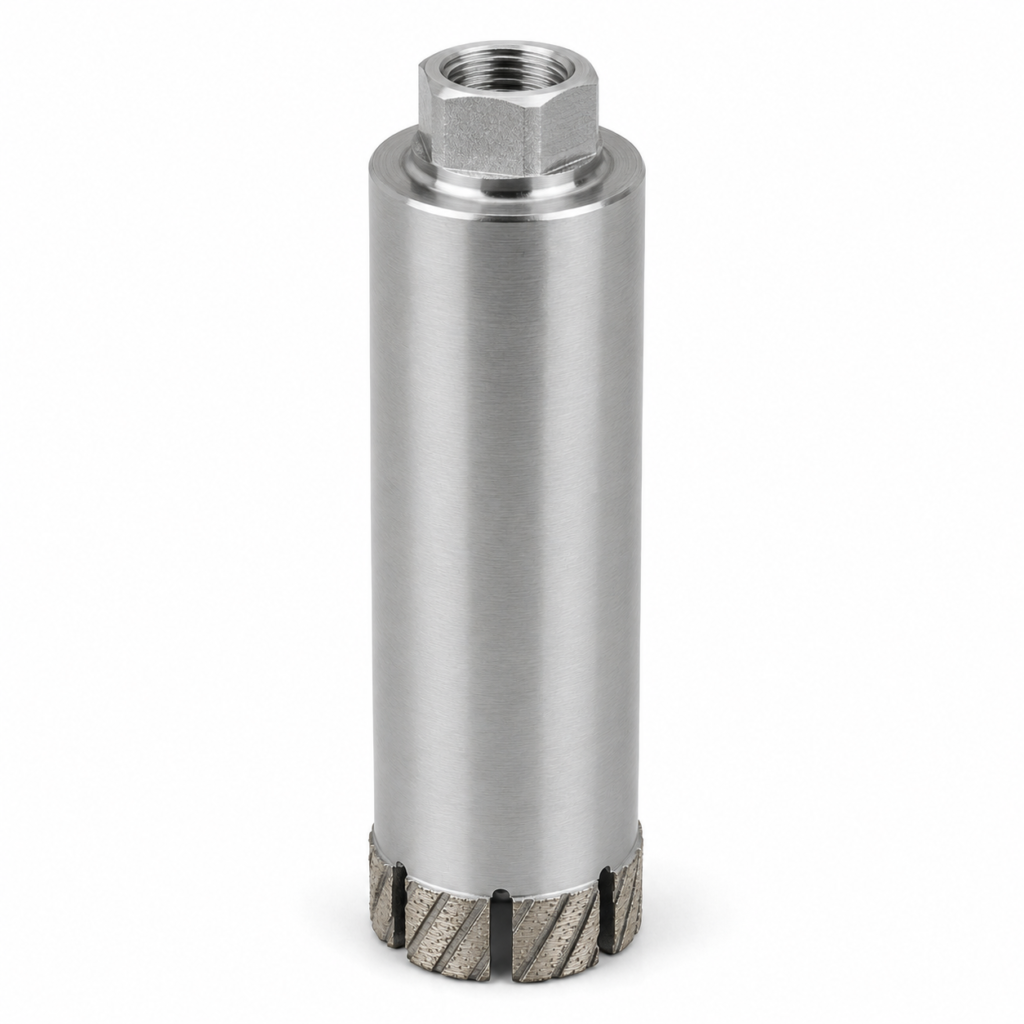
DOT Dry Core Bit
Dry diamond core bit for block, brick & masonry, 1–6″, 5/8″-11 thread. Fits handheld drills for fast holes.
Price range: $60.00 through $185.00 -

DOT Large-Diameter Wet Core Bit
Rig-mounted wet core bit, 16″–24″, for storm drainage, culvert and sleeve penetrations in reinforced concrete.
Price range: $525.00 through $765.00 -
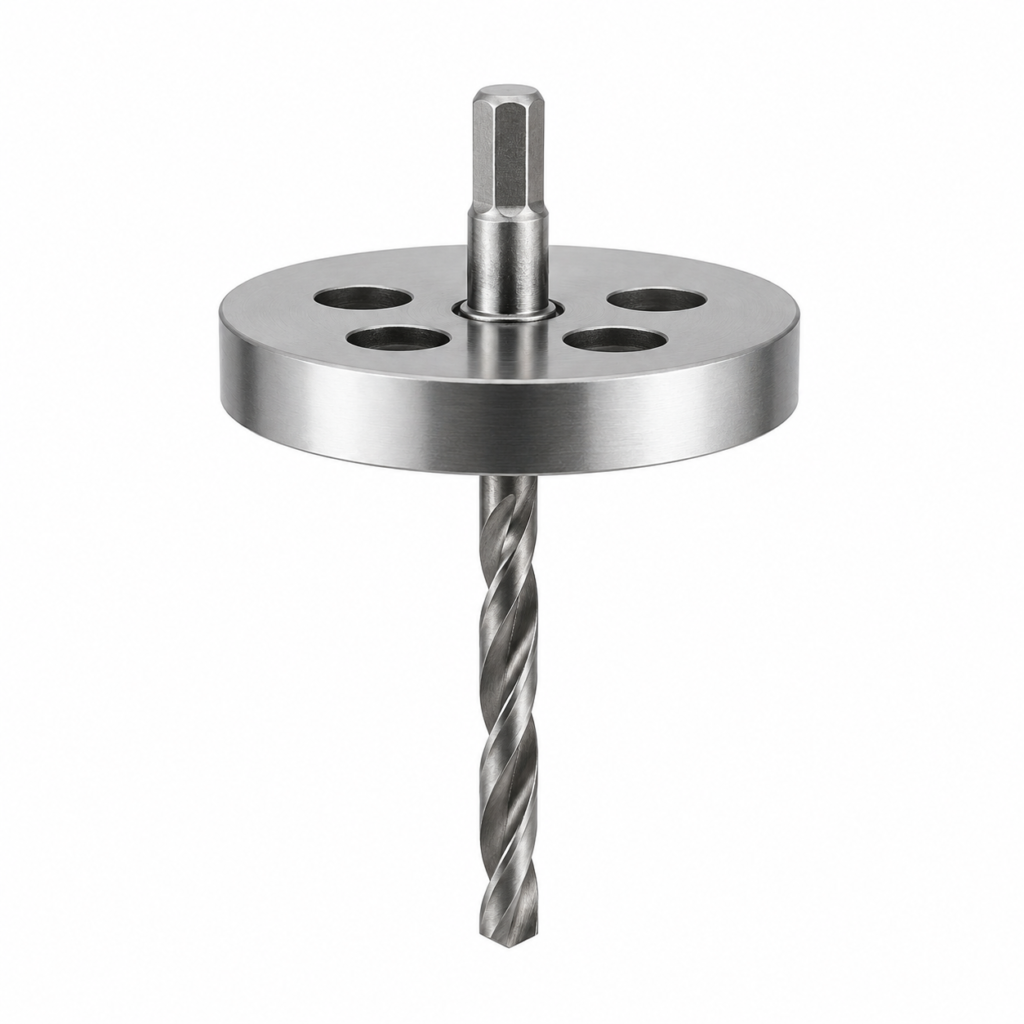
DOT Pilot Bit / Centering Guide
Centering pilot guide for clean handheld core starts; fits dry core bits 2–6″.
$29.00 -
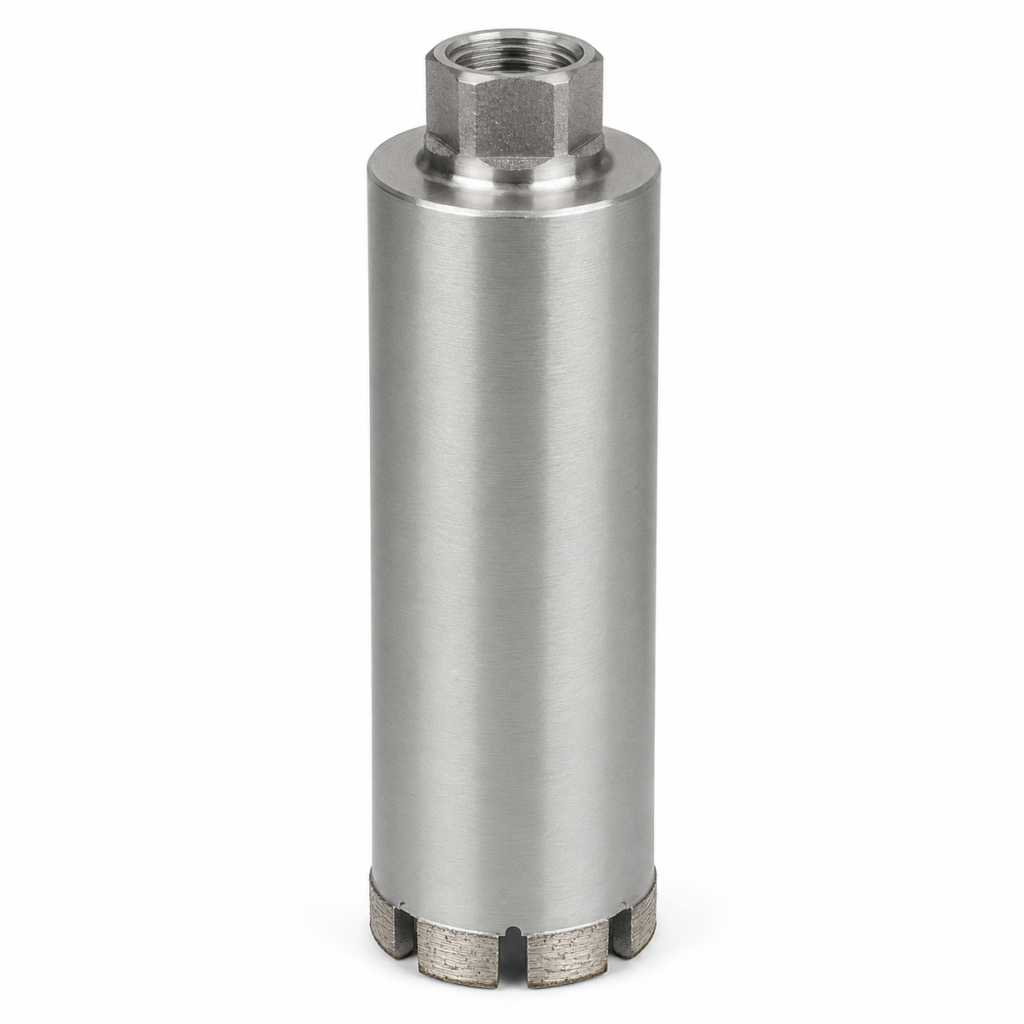
DOT Wet Core Bit
Laser-welded wet diamond core bit for cured & reinforced concrete, 1–14″, 1-1/4″-7 thread. Rig-mounted, cut wet.
Price range: $75.00 through $465.00
Diamond Core Bits for Concrete Drilling
Core bits cut clean, precise holes through concrete, block and stone for plumbing, electrical, HVAC, anchoring and utility work. DOT core bits are laser-welded, which keeps the segments attached under the heat and torque of deep drilling, and we stock them from 1″ pilot holes up to 14″ service penetrations. Get the thread, the bond and the water supply right and a core bit will drill hundreds of holes; get them wrong and you can lose a barrel in an afternoon.
Wet or Dry Core Bits
Wet core bits use a 1-1/4″-7 thread, mount on a rig or wet core drill, and are the right answer for hard, cured and rebar-reinforced concrete. The water does three jobs at once: it cools the segments, flushes the slurry up and out of the hole, and keeps airborne silica down. Dry core bits use a 5/8″-11 thread and run on a handheld drill, which makes them far more practical for block, brick and soft masonry, and for work where water cannot be used. Dry bits need to be backed out periodically to clear dust and let the barrel cool. As a rule: if it is structural concrete, drill it wet.
Threads and Adapters
Two threads cover almost everything in this trade. 1-1/4″-7 is the standard for wet bits and core rigs; 5/8″-11 is the standard for dry bits and handheld drills. They are not interchangeable on their own, but a thread adapter lets you cross between them, so a single drill can run both families. If you are buying a first set, decide which drill you own before you buy bits — the thread follows the machine, not the hole.
Drilling Through Rebar
Diamond core bits will cut straight through rebar, but steel behaves nothing like aggregate and it needs a different touch. When you feel the bit load up and the sound change, ease off the feed rather than leaning into it, and make sure water is still flowing. Steel work-hardens and heats fast; without cooling you will polish the diamonds flat and glaze the barrel. Use slow, steady pressure through the bar and return to normal feed once you are past it. If you core reinforced slabs regularly, use a bit specifically rated for reinforced concrete — the bond is formulated to keep releasing diamond when it meets steel.
Choosing the Right Diameter
Size the bit to what is going through the hole, not to the pipe’s nominal size. Conduit, sleeves and anchors all need clearance, and a hole drilled exactly to nominal will not accept the fitting. Typical ranges: 1″ to 2″ for anchors and small conduit, 2″ to 4″ for electrical and plumbing runs, 4″ to 6″ for waste lines and dryer vents, and 8″ and up for HVAC and service penetrations. Larger diameters need more torque and a rig — a handheld drill will stall or twist out of your hands above about 4″ in concrete.
Rig, Stand or Handheld
Anything over roughly 4″ in structural concrete belongs on a stand. A core drill stand anchors to the slab and feeds the bit straight, which keeps the barrel from binding and gives you a clean, plumb hole. Handheld coring is fine for small dry work in block and brick, but the moment the bit catches in a handheld setup the machine turns in your hands. Stands also let you apply steady, even feed pressure, which is the single biggest factor in bit life after water supply.
Water Supply and Slurry Control
Wet coring needs a steady, adequate flow, not a trickle. If the slurry coming out of the hole runs thin and gray you have enough water; if it is pasty or steaming, you do not. Too little water is the fastest way to glaze a bit and cook the segments off the barrel. On finished floors and interior work a slurry ring and vacuum keep the mess contained, and that is usually a condition of working in an occupied building. Where water is genuinely impossible, switch to a dry bit and a dust extractor rather than running a wet bit dry, which will ruin it in minutes.
Bit Life and Common Failures
Glazing is the most common complaint — the bit spins without progressing because the diamonds are polished flat. Drill into an abrasive dressing block to expose fresh diamond. Barrel binding happens when the hole goes off-axis or the slug shifts; back out, clear the hole and re-enter straight. Segment loss comes from overheating, insufficient water, or forcing the feed through rebar. Slug removal is easier if you wedge the core before it seizes in the barrel. Accessories matter here: a pilot bit and centering guide stops the bit walking at start-up, and an extension gets you through thick slabs without over-reaching.
Frequently Asked Questions
What is the difference between wet and dry core bits?
Wet bits use a 1-1/4″-7 thread and run on a rig with water, suiting hard, cured and reinforced concrete. Dry bits use a 5/8″-11 thread and run on handheld drills for block, brick and soft masonry. Water cools the segments, clears slurry and controls silica dust.
Can a diamond core bit drill through rebar?
Yes. Ease off the feed when you reach steel, keep water flowing to cool it, and hold steady pressure rather than forcing it. For regular work in reinforced slabs, use a bit rated for reinforced concrete.
What core bit thread do I need?
It follows your drill. Wet core bits and rigs use 1-1/4″-7; dry core bits and handheld drills use 5/8″-11. A thread adapter lets one machine run both families.
What size core bit should I use?
Size it to the fitting going through the hole plus clearance, not the nominal pipe size. Anchors and small conduit take 1″ to 2″, electrical and plumbing runs 2″ to 4″, waste lines 4″ to 6″, and HVAC penetrations 8″ and up.
Do I need a core drill stand?
Above roughly 4″ in structural concrete, yes. A stand anchors to the slab, feeds the bit straight and stops the barrel binding. Handheld coring is reasonable for small dry holes in block and brick.
Why has my core bit stopped cutting?
It has almost certainly glazed — the diamonds are polished flat and cannot bite. Drill into an abrasive dressing block to expose fresh diamond. Glazing usually means too little water, too much speed, or a bond too hard for the material.
How long does a diamond core bit last?
A laser-welded wet bit used with proper water and steady feed can drill hundreds of holes in ordinary concrete. Heavy rebar, dry running and forced feed shorten that dramatically.
Why is the core stuck in the barrel?
The slug has seized, usually after drilling deep or letting the bit wander off-axis. Wedge it out from the open end, and on deep holes break the core periodically rather than drilling the full depth in one pass.
Coring concrete? Tell us the diameter, the slab and the drill you are running — call our team at (701) 922-1526 for the right bit and thread.