Showing all 4 results
-
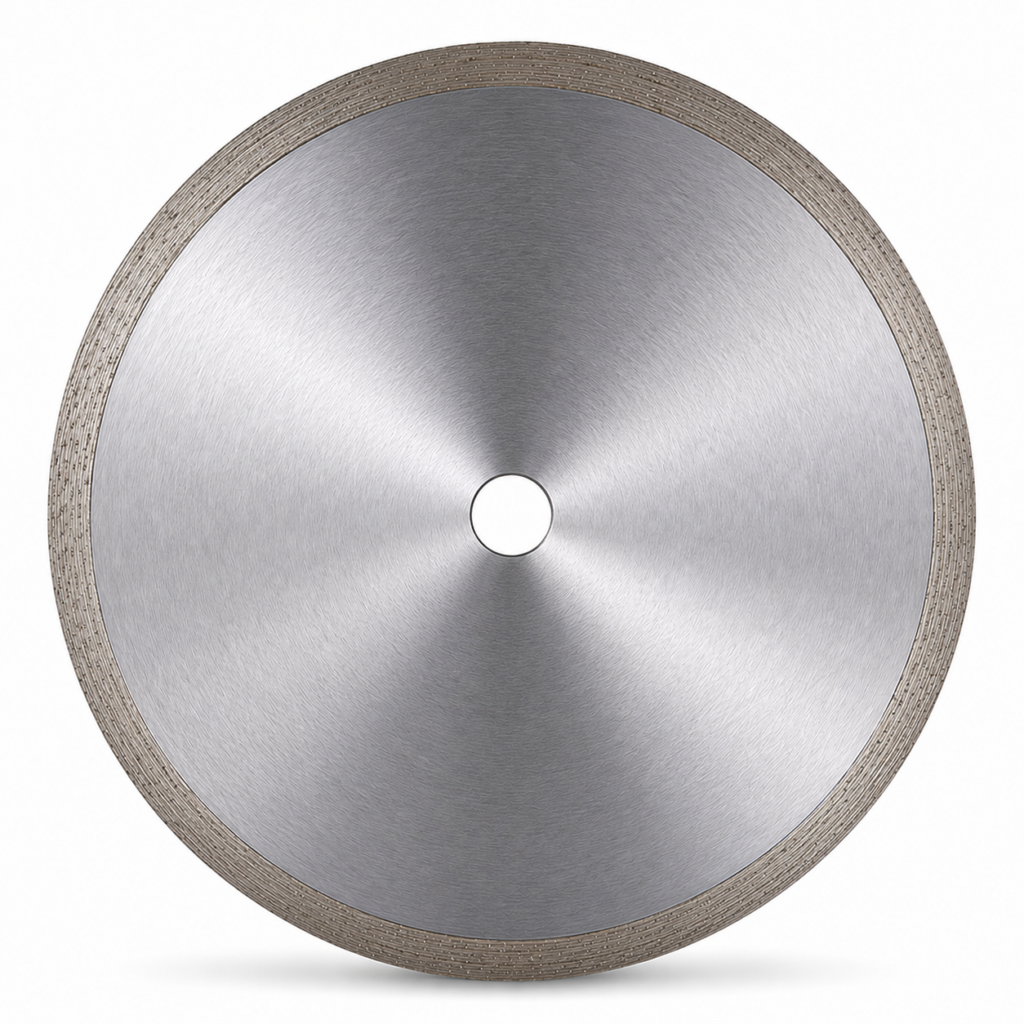
DOT All-Cut General Purpose Blade
Value general-purpose diamond blade for concrete, masonry & brick, 4.5–14″. Fits grinders and cut-off saws.
Price range: $15.00 through $55.00 -
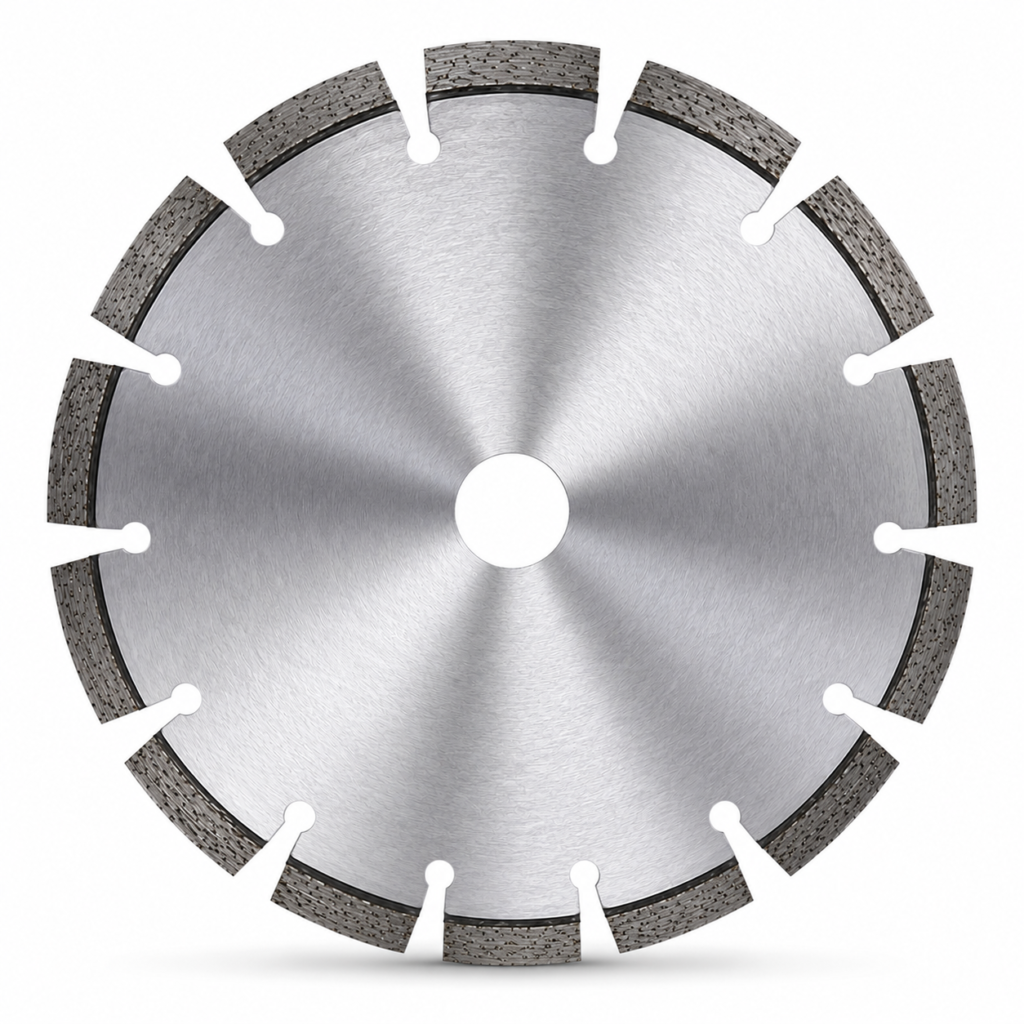
DOT All-Purpose Combo Blade
Combination diamond blade for concrete, brick, block & masonry, 7–14″. One blade for mixed handheld cutting.
Price range: $40.00 through $85.00 -
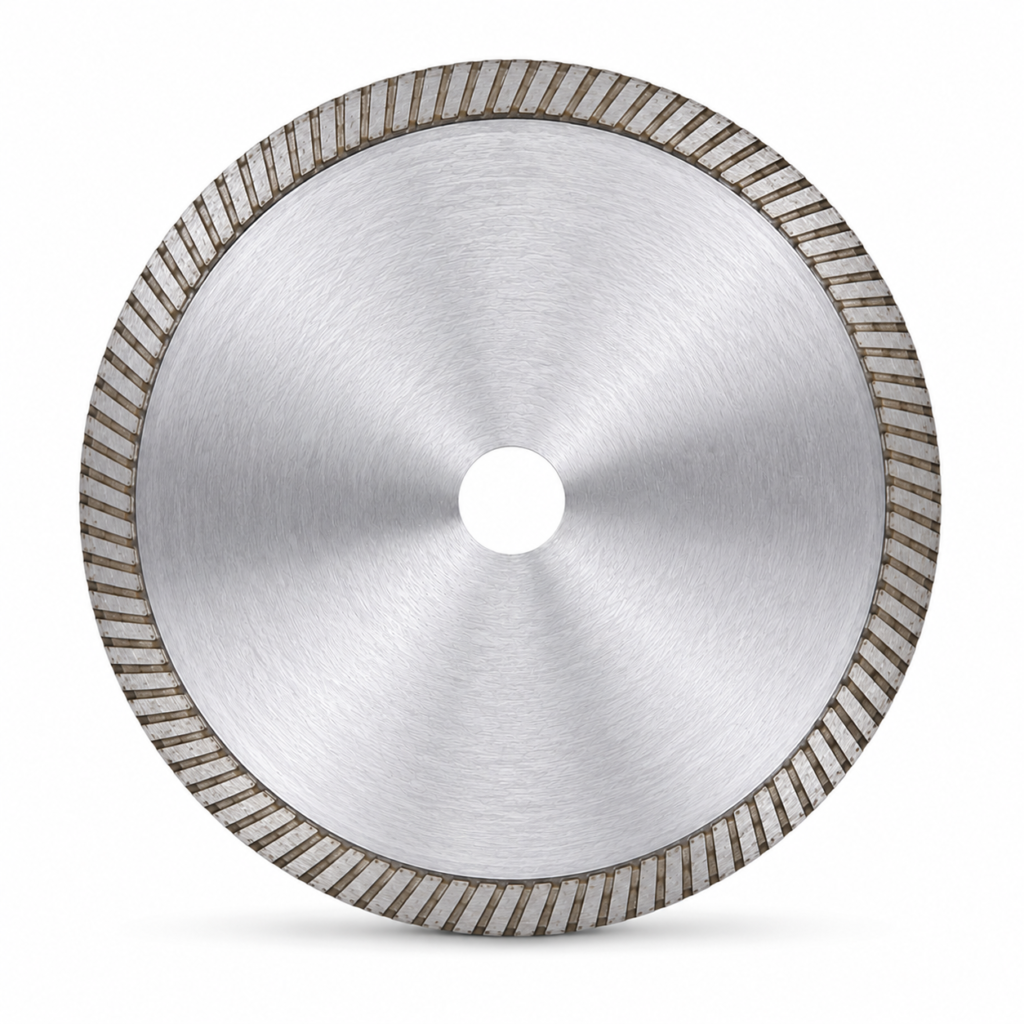
DOT Masonry & Block Blade
Turbo-rim diamond blade for block, brick & CMU, 7–14″. Fast, clean cuts wet or dry on handheld and table saws.
Price range: $35.00 through $75.00 -
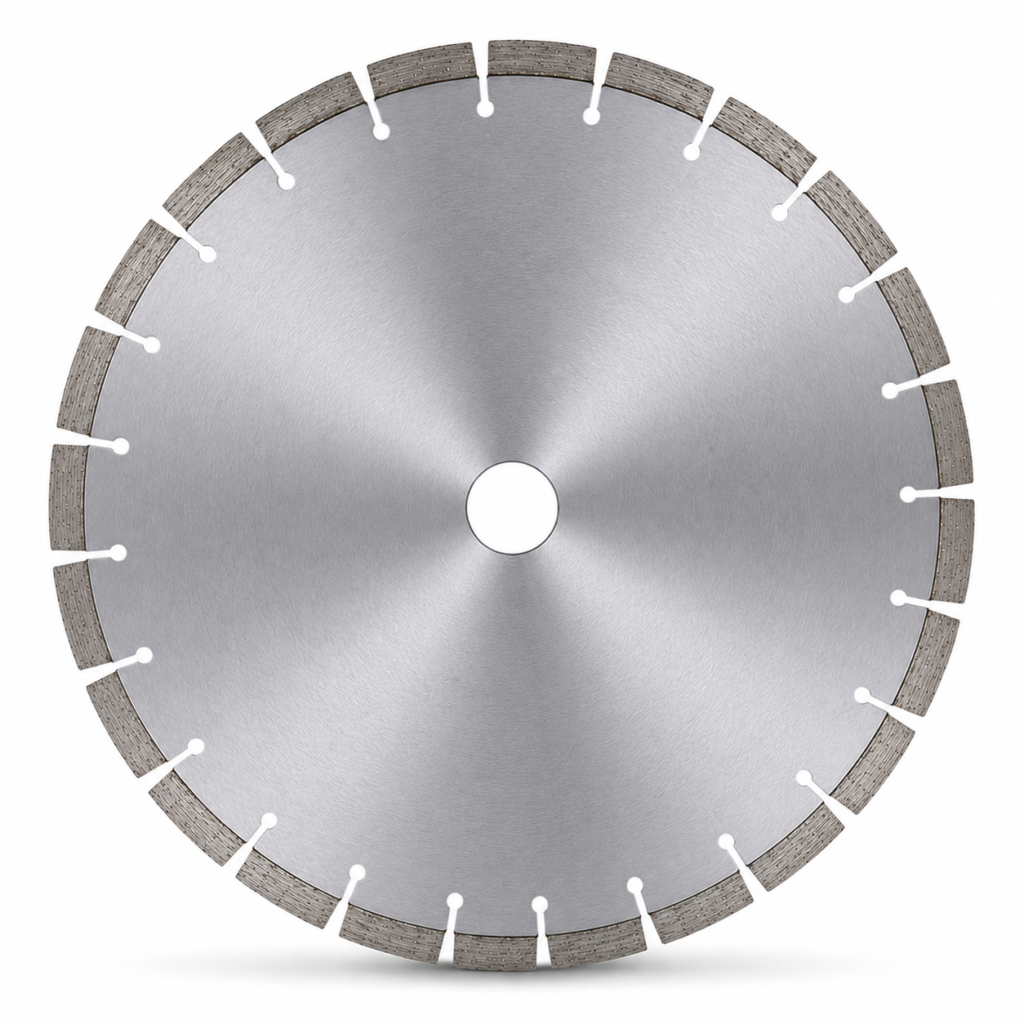
DOT Paver & Brick Blade
Hard-bond diamond blade for pavers, brick & hardscape, 12–14″. Dry-cut durability for on-site work.
Price range: $90.00 through $110.00
Masonry and Block Diamond Blades
Block is soft, brick is fired hard, and both are abrasive enough to destroy a blade formulated for concrete. Masonry work also happens differently from slab sawing: shorter cuts, more of them, often overhead or at awkward angles, and frequently inside a building where dust matters more than speed. DOT Diamond Tools supplies hard-bond masonry blades to bricklayers, block crews, demolition contractors and commercial fit-out teams.
Hard bond for soft material
The rule reads backwards until you understand what wears out. Abrasive material takes a hard bond. CMU and brick throw off coarse grit that scours the metal matrix, and a soft bond gives up long before the diamonds do. A hard matrix resists that erosion and keeps each crystal anchored for its full life. Put a concrete blade into block work and it will wear from the matrix outward, finishing in a fortnight of what should be months. More detail in our bond guide.
Why segmented beats turbo on block
Block and brick produce a coarse, fluffy dust rather than the fine slurry concrete gives. Wide gullets between segments clear that debris; a tight turbo rim packs solid with it and stops cutting. That is why our Masonry and Block Blade runs a segmented rim. Where the finished edge is on show, as on face brick and pavers, the trade-off reverses and a turbo rim gives the cleaner arris. Rim types are compared in segmented versus turbo versus continuous.
Sizes and the machines they fit
Masonry blades run small by slab-sawing standards. Seven to fourteen inches covers nearly all of it: the smaller sizes for a bench-mounted masonry saw where the material comes to the blade, the larger two for a handheld gas or electric cut-off saw where the blade goes to the wall. As always, expect about a third of the diameter in depth per pass, so a 14 inch blade gives roughly 4-1/2 inches. A single-skin block wall is one pass; a cavity wall is two, from both faces.
Cutting dry, and the dust problem
Masonry blades are usually run dry because the work is often indoors, at height, or on a finished floor where slurry costs more to clean up than the cut costs to make. Dry cutting block is also one of the highest silica-exposure tasks on any site. A saw with on-tool extraction or a water feed is the practical route to compliance, and it is not optional on a regulated project. See silica dust control and OSHA Table 1.
Typical masonry jobs
Cutting CMU to course on a rising wall, chasing conduit and services into blockwork, opening a doorway through a partition, trimming brick around an arch or a chase, and cutting closers on a bond pattern. Demolition crews use the same blades to open access through masonry walls. What unites them is short cuts in abrasive material, which is a consumable pattern rather than a single-blade purchase. Commercial teams will find more in our guide for commercial construction.
Mixed-material work
Fit-out and refurbishment rarely stay on one material. If you are meeting concrete lintels and reinforced elements between runs of block, a combination rim will save more in blade changes than it costs in cutting speed. The All-Purpose Combo Blade is built for that pattern. For sustained production in block alone, the matched masonry blade cuts faster and costs less per linear foot.
Frequently Asked Questions
What bond should I use for cutting block?
A hard bond. Block and brick are soft and abrasive, and abrasive material scours a soft matrix away quickly. A hard matrix holds each diamond until it is genuinely worn. This is the reverse of what cured concrete needs.
Can I use a concrete blade on block and brick?
It will cut, but it will not last. A concrete blade runs a soft bond that abrasive block erodes rapidly, so you lose usable diamond. For anything beyond a handful of cuts the correct blade is cheaper.
Should masonry blades be segmented or turbo?
Segmented for block and general masonry, because wide gullets clear the coarse dust that would pack a turbo rim. Turbo where the cut edge will be visible, such as face brick and pavers, since the unbroken rim leaves a cleaner arris.
Can I cut block wet?
Yes. On a masonry table saw with a water tray the blade will run wet quite happily and the cut edge comes out cleaner, with far less dust. Most handheld masonry work is dry simply because the location makes water impractical.
What size blade do I need for a block wall?
A 14 inch blade cuts roughly 4-1/2 inches deep, which handles a standard single-skin block in one pass. A cavity wall needs cutting from both faces. Smaller sizes suit bench saws where the block comes to the blade.
How dangerous is dry-cutting masonry?
Dry cutting block and brick is among the highest silica-exposure tasks in construction. Water at the blade or on-tool dust extraction is required on regulated work, and a dust mask alone does not meet the standard.
Why has my masonry blade stopped cutting?
Usually loading rather than wear. Coarse masonry dust has packed the gullets so the diamonds can no longer reach the material. Running the blade through an abrasive block or a few cuts in harder material will expose fresh diamond.
Call our team on (701) 922-1526 and we will match a blade to the material, the saw and how much of it you are cutting.