
Showing all 3 results
-
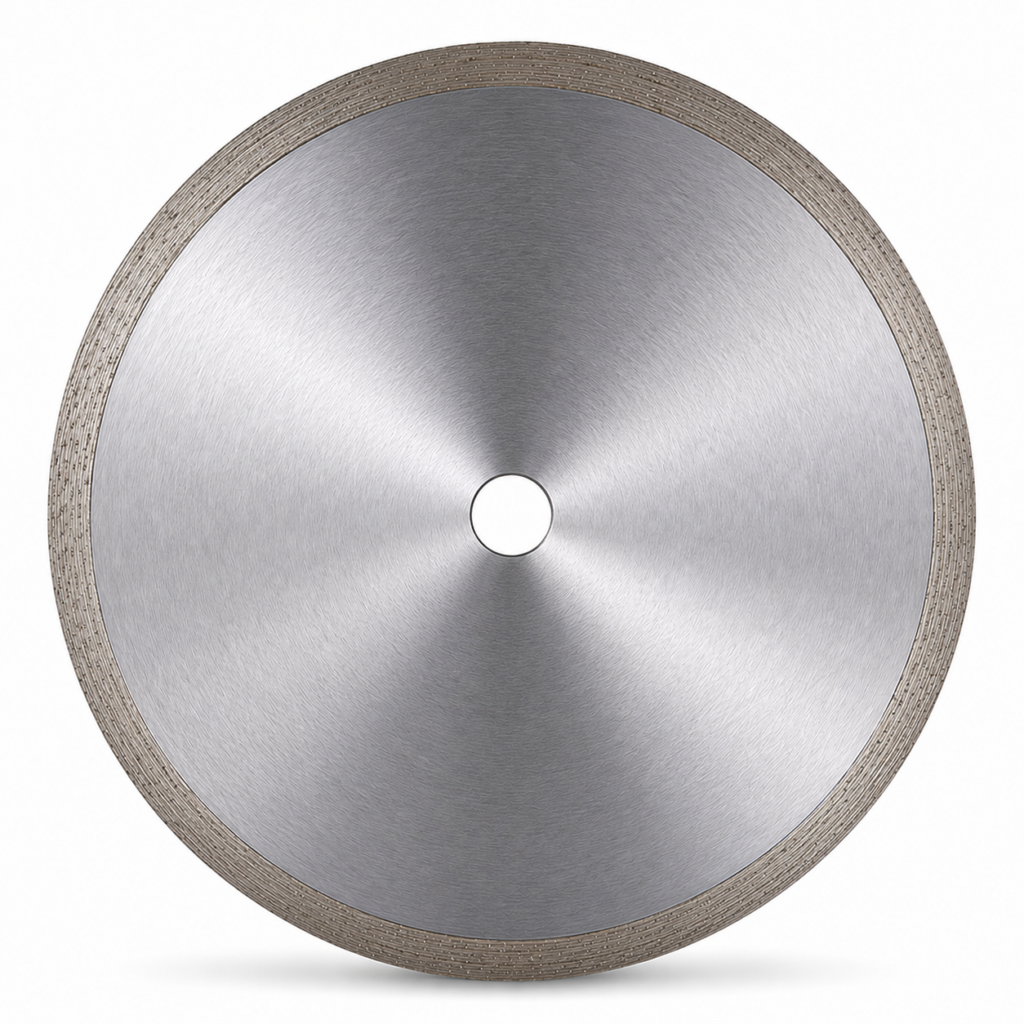
DOT All-Cut General Purpose Blade
Value general-purpose diamond blade for concrete, masonry & brick, 4.5–14″. Fits grinders and cut-off saws.
Price range: $15.00 through $55.00 -
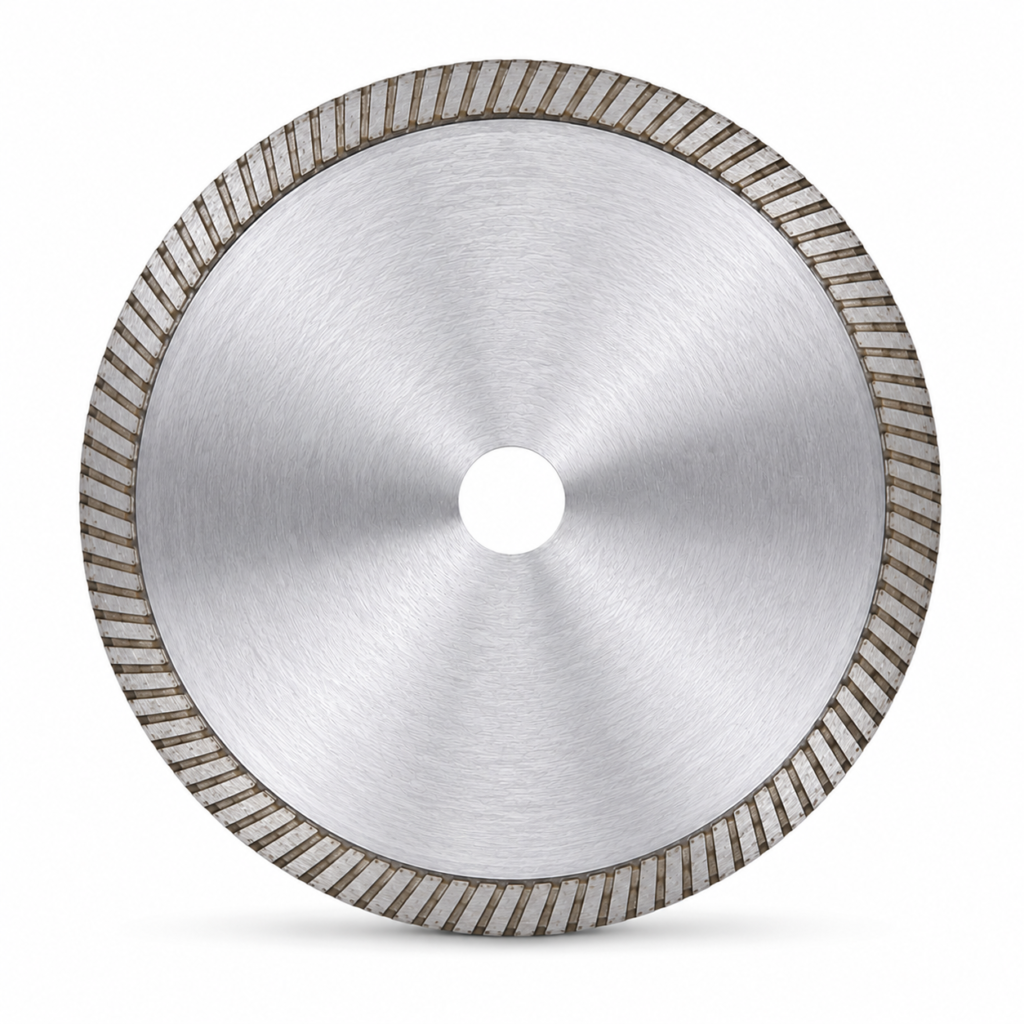
DOT Masonry & Block Blade
Turbo-rim diamond blade for block, brick & CMU, 7–14″. Fast, clean cuts wet or dry on handheld and table saws.
Price range: $35.00 through $75.00 -
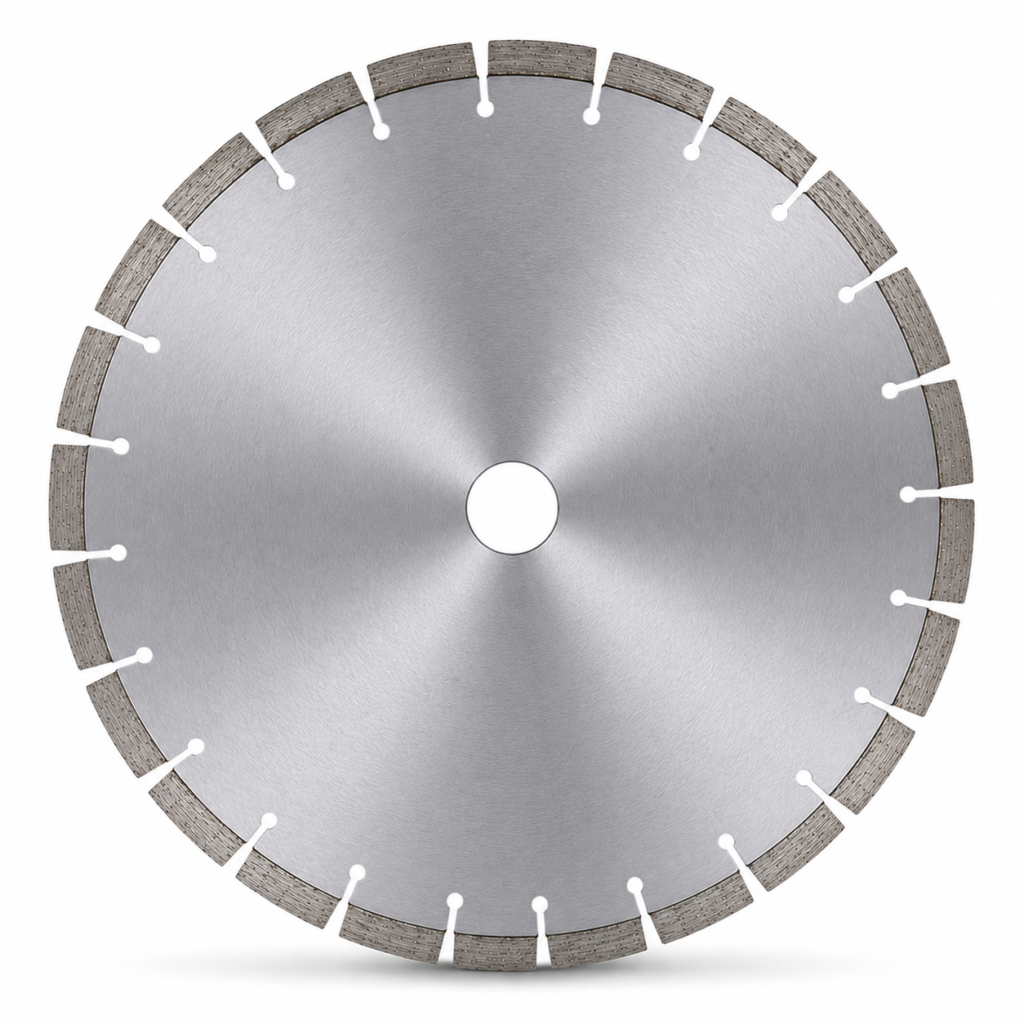
DOT Paver & Brick Blade
Hard-bond diamond blade for pavers, brick & hardscape, 12–14″. Dry-cut durability for on-site work.
Price range: $90.00 through $110.00
Paver and Brick Diamond Blades for Hardscape
A hardscape crew cuts several hundred pavers in a day and every one of those cuts ends up visible in the finished patio, driveway or walkway. A ragged edge is not a structural problem; it is a callback. That makes edge quality the specification here, ahead of raw cutting speed. DOT Diamond Tools supplies turbo-rim paver blades to landscapers, hardscape contractors, municipal crews and driveway installers.
Why turbo is the right rim for pavers
A turbo rim is a continuous edge with a serrated, wavy profile, sitting deliberately between a segmented blade and a plain continuous one. The serrations move enough air and spoil to allow dry cutting, while the unbroken edge prevents the top-face chipping a segmented blade leaves on a concrete paver or a face brick. It cuts noticeably faster than a continuous rim and finishes far cleaner than a segmented one. Rim types are compared in segmented versus turbo versus continuous.
Hard bond for abrasive material
Pavers and brick are abrasive, and abrasive material scours a soft matrix away in days rather than months. Our Paver and Brick Blade runs a hard bond for that reason, which is the same logic that governs block and asphalt and the opposite of what cured concrete needs. If your blade is wearing visibly fast on pavers, the bond is the first thing to check. Our bond guide explains why the rule runs counter to intuition.
Sizes and the saws crews own
Twelve and fourteen inches covers hardscape work, matched to the masonry table saws and handheld cut-off saws crews actually own. A 14 inch blade gives roughly 4-1/2 inches of depth, which clears any standard paver in a single pass and handles most curb and edging units. A table saw gives the straighter, more repeatable cut for borders and closers; a handheld is what comes out for radii and site adjustments.
Cutting dry, and the silica problem
Most paver cutting is dry, because the work is outdoors and away from a water supply. It is also one of the highest silica-exposure tasks on any site, and a dry-cut paver produces a visible dust plume in a residential setting where neighbors notice. A table saw with a water tray or a saw with on-tool extraction solves both problems at once. See silica dust control and OSHA Table 1.
Getting a clean edge every time
Support the paver fully so the offcut cannot drop and break the arris as the blade exits. Cut from the face that will be visible where you have the choice. Do not force the feed; a turbo rim cuts fast enough without help, and pushing generates heat that glazes the rim. On a long border run, mark and cut in batches rather than one at a time, because a consistent setup gives a consistent edge.
Related hardscape cutting
Crews doing hardscape often also cut block for retaining structures and occasionally concrete for footings and edge restraints. Block and CMU want a segmented rim rather than turbo, and belong under masonry and block. Where the work is genuinely mixed and you carry one saw, a combination rim may save more in blade changes than it costs in finish quality.
Frequently Asked Questions
What blade gives the cleanest cut on pavers?
A turbo rim. The unbroken edge prevents the top-face chipping a segmented blade leaves, while the serrated profile still clears enough debris to cut dry and cut fast.
What bond should a paver blade have?
A hard bond. Pavers and brick are abrasive and will scour a soft matrix away within days. A hard matrix holds each diamond until it has genuinely worn out.
What size blade do I need for pavers?
Twelve or fourteen inches. A 14 inch blade cuts roughly 4-1/2 inches deep, which clears any standard paver in one pass and handles most curb and edging units.
Can I cut pavers wet?
Yes, and on a masonry table saw with a tray it is worth doing. The edge comes out cleaner and the dust problem disappears. Most site cutting is dry simply because there is no water to hand.
Why is my paver chipping on the top face?
Usually a segmented rim, an unsupported offcut, or too much feed pressure. Switch to a turbo rim, support the paver fully so the offcut cannot drop, and let the blade cut at its own rate.
Is dry-cutting pavers a silica risk?
Yes, a significant one. Cutting concrete pavers dry is among the higher-exposure tasks in construction and produces a visible plume in residential settings. A water tray or on-tool extraction is the practical answer.
Can I use a paver blade on block?
It will cut, but block produces coarse dust that packs a turbo rim. For sustained block work a segmented masonry blade clears debris better and lasts longer.
Call our team on (701) 922-1526 and we will match a blade to the units you are laying and the saw you run.