Showing all 6 results
-
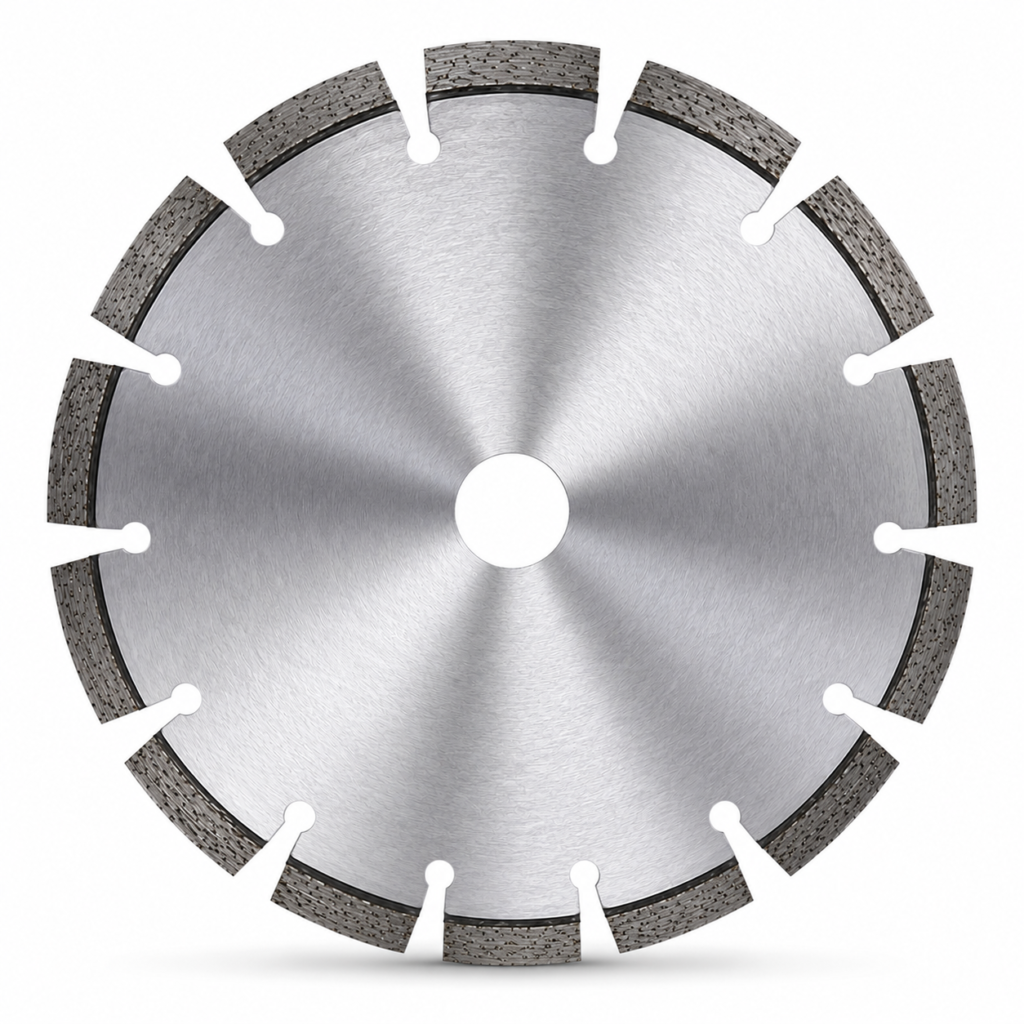
DOT All-Purpose Combo Blade
Combination diamond blade for concrete, brick, block & masonry, 7–14″. One blade for mixed handheld cutting.
Price range: $40.00 through $85.00 -

DOT Early-Entry Green Concrete Blade
Hard-bond early-entry blade for control joints in green concrete, 6″–12″. Runs dry in an early-entry system.
Price range: $70.00 through $160.00 -
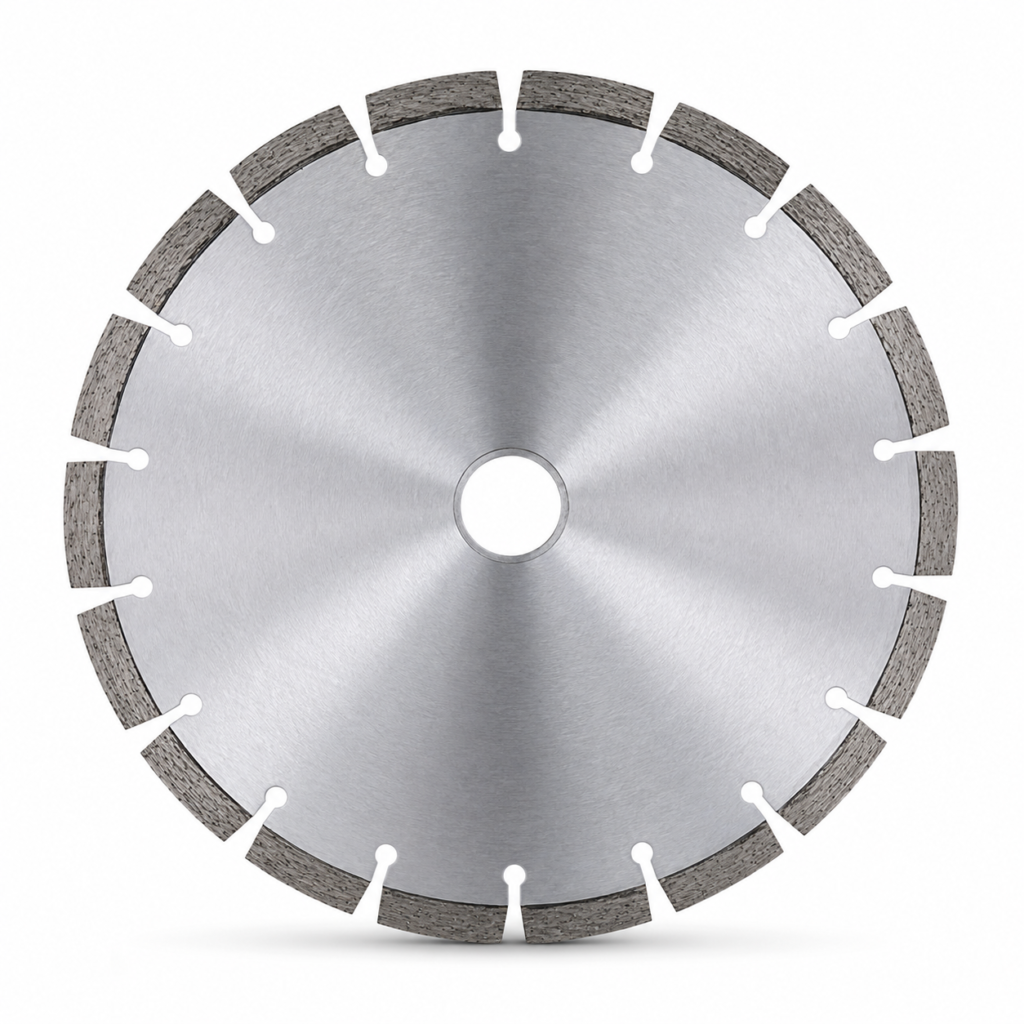
DOT Pro Cured Concrete Blade
Soft-bond segmented diamond blade for hard & cured concrete, 12–24″. Cut wet for long life. Sizes & contractor pricing inside.
Price range: $100.00 through $225.00 -
DOT Road Saw Blade (High-HP Flat Saw)
Hard-bond segmented road saw blade, 42″–54″, for full-depth pavement on high-horsepower flat saws. Wet cutting only.
Price range: $675.00 through $875.00 -
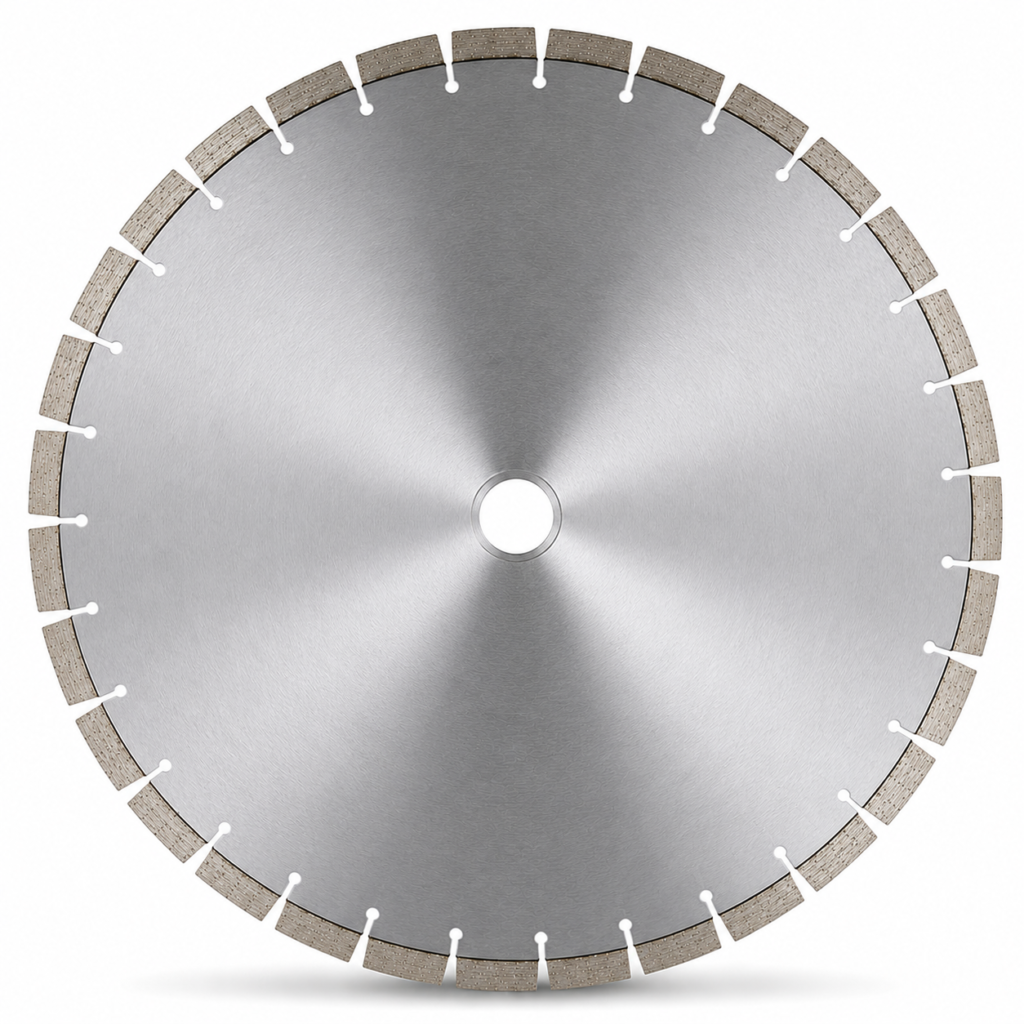
DOT Walk-Behind Pro Blade
High-speed walk-behind diamond blade for slab & roadway, 18–36″, 1″ arbor. Cut wet for maximum life.
Price range: $255.00 through $565.00 -
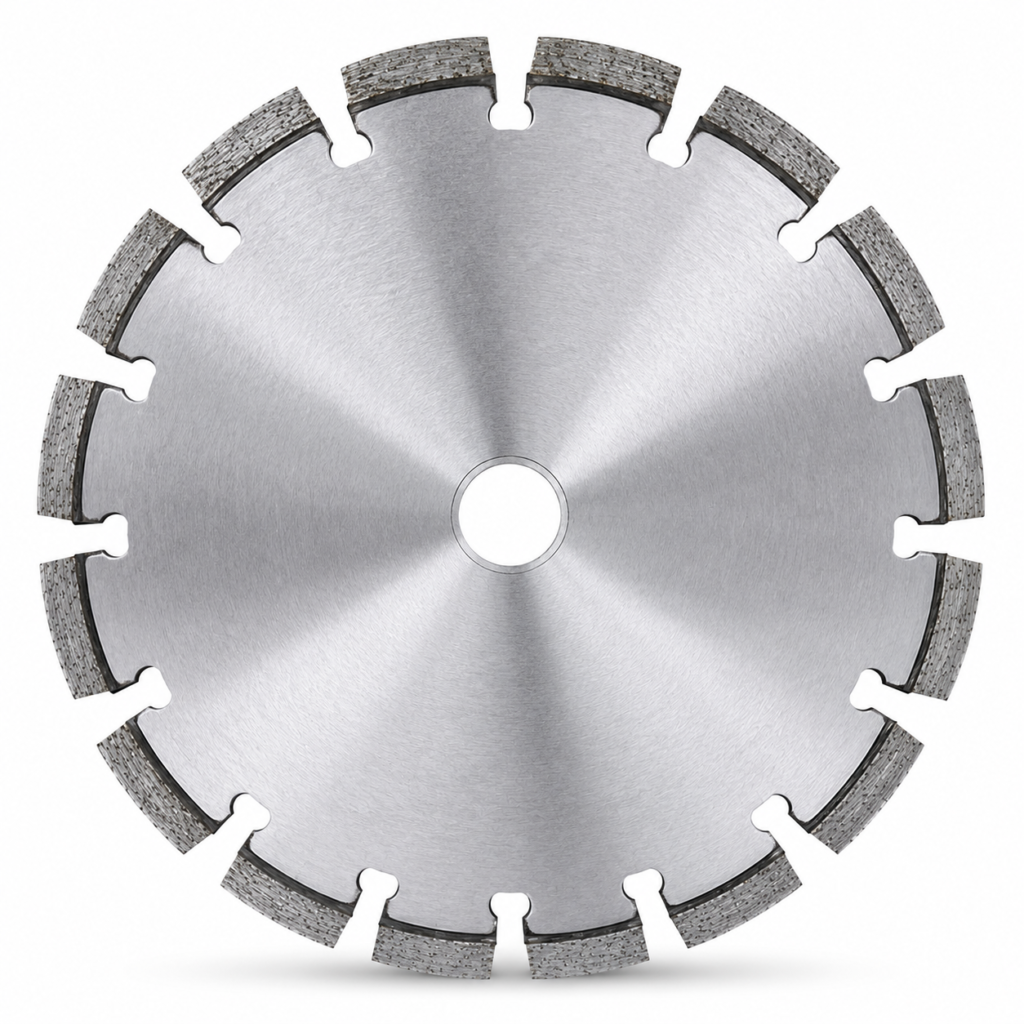
DOT XT Green Concrete Blade
Hard-bond diamond blade for green & abrasive concrete, 14–36″, with undercut protection. Built for fresh pours and roadwork.
Price range: $150.00 through $445.00
Diamond Blades for Cutting Concrete
Cutting concrete cleanly and economically comes down to one thing: matching the right diamond blade to the concrete you’re actually cutting. DOT Diamond Tools supplies professional concrete blades for cured, hard, and green concrete across handheld, walk-behind, and flat-saw applications. With our founder’s 35+ years in diamond tooling behind every recommendation, we help contractors, municipalities, and heavy-civil crews stop wasting money on the wrong blade.
How to Choose a Concrete Diamond Blade
Three factors decide whether a blade cuts fast and lasts, or burns up on the first job: the bond (matched to concrete hardness), the segment design, and whether you cut wet or dry. Get those right and almost any quality blade performs; get them wrong and even a premium blade fails early.
Match the bond to your concrete — the rule most people get backwards
This is counterintuitive, so it’s worth stating plainly. Hard, cured concrete needs a soft bond. A soft bond wears away at the right rate to keep exposing fresh, sharp diamonds — if you run a hard bond on hard concrete, the diamonds glaze over and the blade stops cutting. Soft or green concrete needs a hard bond so the bond doesn’t wear away faster than the diamonds can work. When in doubt on cured concrete, go softer; on fresh/green pours or abrasive mixes, go harder.
Segmented, turbo, or continuous rim?
Segmented blades have gaps between segments for airflow and debris clearance — the fast, aggressive choice for general concrete cutting and the most common on jobsites. Turbo rims cut fast while leaving a smoother edge, good when finish matters. Continuous rim blades are for chip-free finish work (tile, pavers, decorative) and are run wet. For most concrete cutting, a quality segmented blade is the workhorse.
Wet or dry — and the silica dust rule
Cut wet whenever possible. Water cools the blade for 2–3× longer life, produces a cleaner cut, and — critically — controls respirable crystalline silica dust. Dry cutting concrete without dust controls can exceed OSHA limits in minutes; wet cutting (or a dust-collection saw) is the simplest path to OSHA Table 1 compliance. Use dry blades only for short cuts or where water isn’t practical, and pair them with vacuum dust collection.
Diameter and arbor
Blade diameter sets your maximum cut depth — roughly one-third of the diameter. Common concrete sizes run 12″–24″ for handheld and walk-behind saws, up to 36″ for flat saws. Always match the arbor to your saw: handheld saws are typically 7/8″–5/8″, while high-speed and walk-behind saws use a 1″/20mm arbor. Our blades ship with reducer bushings for common arbors.
Concrete Cutting Applications
DOT concrete blades handle the real-world jobs crews face every day: slab and sidewalk cutting, expansion and control joints, demolition and removal, trenching for utilities, curb and gutter work, and roadway repair. For rebar-reinforced slabs, step up to a blade rated for reinforced concrete or a wet-cut setup — the steel generates heat that a wet cut dissipates instantly.
Frequently Asked Questions
What’s the best diamond blade for cutting concrete?
It depends on whether the concrete is cured or green and what saw you’re running. For hard, cured concrete use a soft-bond segmented blade; for fresh/green concrete use a hard-bond blade. Match the arbor to your saw and cut wet for best life.
Should I cut concrete wet or dry?
Wet whenever you can. Wet cutting gives 2–3× longer blade life, a cleaner cut, and controls silica dust for OSHA Table 1 compliance. Dry-cut only for short cuts or where water isn’t practical, ideally with vacuum dust collection.
What’s the difference between segmented, turbo, and continuous-rim blades?
Segmented = fast, aggressive, general concrete work. Turbo = fast cutting with a smoother edge. Continuous rim = chip-free finish cuts (run wet). For most concrete cutting, segmented is the workhorse.
Can I use a concrete blade to cut asphalt?
No. Asphalt is soft and abrasive, so it needs a hard-bond asphalt blade. A concrete (soft-bond) blade will wear out 2–3× faster on asphalt. Use the right blade for the material.
What arbor size do I need?
Match your saw. Handheld saws are usually 7/8″–5/8″; high-speed and walk-behind saws use 1″/20mm. Check the spindle before ordering — our blades include reducer bushings for common sizes.
How long does a diamond blade last?
It varies with concrete hardness, bond match, wet vs dry, and operator technique. A correctly matched, wet-cut blade lasts dramatically longer than a mismatched or dry-cut one — matching bond to material is the single biggest factor.
Not sure which blade fits your job? Tell us what you’re cutting and what saw you’re running — call our team at (701) 922-1526 for a straight recommendation, no upsell.