
Showing all 2 results
-
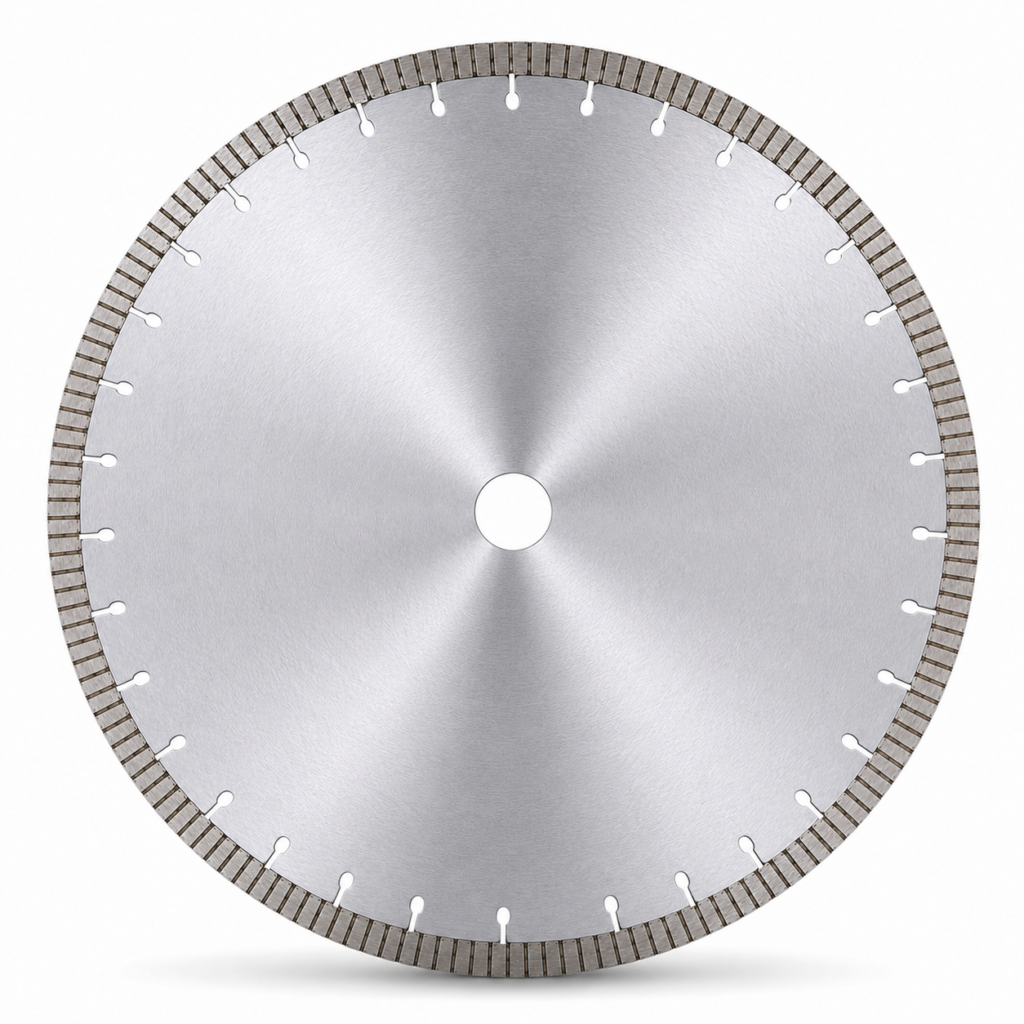
DOT Granite Bridge Saw Blade
Diamond bridge-saw blade for granite & engineered stone, 14–20″, 1″/50mm arbor. Wet cut for clean fabrication.
Price range: $210.00 through $315.00 -
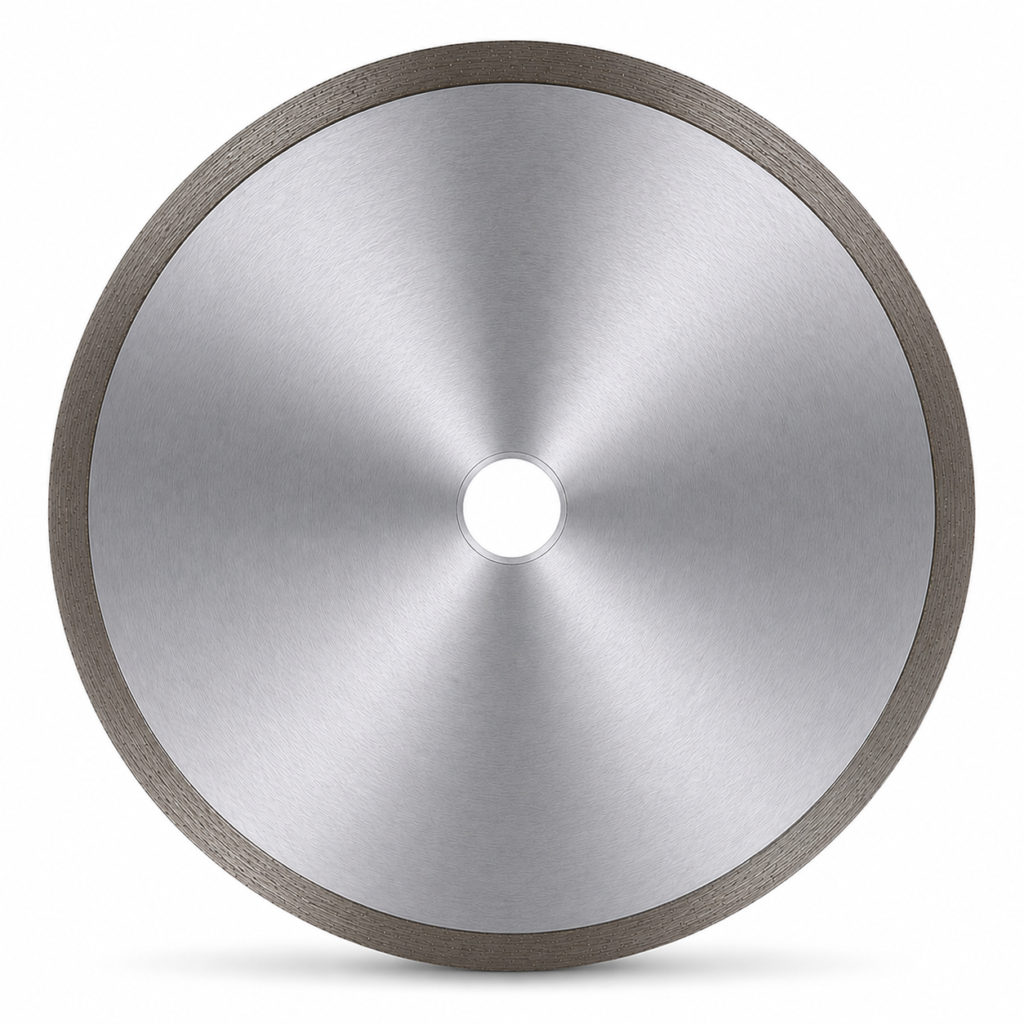
DOT Stone & Marble Blade
Continuous-rim diamond blade for smooth marble & stone cuts, 7–14″. Run wet for chip-free edges.
Price range: $40.00 through $90.00
Stone, Marble and Granite Diamond Blades
Natural stone punishes a badly chosen blade in a way concrete never does, because the cut face is the finished product. A chipped arris on a sill or a worktop is not a defect you grind out; it is a piece you cut again. DOT Diamond Tools supplies stone blades to fabrication shops, monumental masons, worktop installers and site trades working in granite, marble, travertine and limestone.
Hard material takes a soft bond
Granite is about the hardest material a diamond blade meets in the building trades, and marble is dense even though it is softer. Both take a soft bond. The matrix must break down quickly enough that blunted diamonds release and sharp ones take over, because a hard bond on stone simply polishes over and the operator ends up forcing the head. It is the same rule that governs cured concrete and porcelain, and the exact opposite of what block and asphalt need. See our bond guide.
Where segmented and continuous rims divide
The split is by material rather than by machine. Granite goes on a segmented premium blade, where the gullets clear the heavy slurry that hard stone generates and the higher diamond concentration earns its cost in square footage. Marble, travertine and limestone go on a continuous rim, because they flake at the arris and an unbroken edge supports the stone through the pass. Our Granite Bridge Saw Blade and Stone and Marble Blade cover the two cases.
Wet only, without exception
Stone generates serious heat and holds it. Every blade in this range is wet-only, and a saw running short on flow will overheat the core and cup the blade permanently. Keep water on both faces of the blade and check the flow before every slab rather than every shift. A cupped blade cuts wide, wanders off the line and cannot be trued again, so this is the cheapest failure to prevent and one of the most expensive to ignore.
Bridge saws and site work
A bridge saw runs a fixed head along a rail over a stationary slab, so the blade works at a constant feed all day and shops judge it on square footage before the segments are spent. Site work is the opposite: short cuts, awkward positions, and edge quality that has to match what the fabricator produced. Fourteen to twenty inch blades suit bridge saws; seven to fourteen inch suits site and bench work.
Premium grade and why it pays here
Grade matters more on stone than on almost anything else. Higher diamond concentration and better crystal quality cost more per blade and less per square foot, which is the calculation a fabrication shop actually runs. On a bridge saw cutting granite all week, segment life is the number that decides cost, not the purchase price. On occasional site work the economics reverse and a professional-grade blade is the sensible buy.
Reading a blade that is not performing
Slow cutting with a shiny rim is glazing, which means the bond is too hard for the stone or the feed too light. Fast wear with visible segment loss means the opposite. A wandering cut usually means a cupped core from heat rather than anything to do with diamond. Chipping on marble is nearly always feed rate or an unsupported edge rather than the blade itself.
Frequently Asked Questions
What bond does granite need?
A soft bond. Granite is extremely hard, so the matrix has to erode fast enough to keep releasing blunted diamonds and exposing sharp ones. A hard bond glazes over and the saw starts pushing rather than cutting.
Should I use a segmented or continuous rim on stone?
Segmented for granite, where gullets clear heavy slurry and the higher diamond concentration pays. Continuous for marble, travertine and limestone, which flake at the edge and need the unbroken rim to support the stone through the cut.
Can stone be cut dry?
No. Stone generates and holds serious heat, and every blade in this range is wet-only. A dry pass will overheat the steel core and cup the blade permanently, which cannot be repaired.
Why is my granite blade cutting slowly?
It has almost certainly glazed. The diamonds have polished flat rather than fracturing, usually because the bond is too hard for the stone or the feed pressure too light. Leaning harder makes it worse.
What size blade does a bridge saw take?
Fourteen to twenty inches covers most bridge saws. Check the machine’s maximum blade diameter and the arbor before ordering, and size to the thickest slab you cut rather than the average.
Is a premium grade blade worth the money?
On production work, yes. Higher diamond concentration costs more per blade and less per square foot, which is the figure that matters when you are cutting all week. For occasional site work a professional grade blade is the better buy.
Why is my marble chipping at the edge?
Usually feed rate or support rather than the blade. Slow down through the last part of the cut and make sure the stone is fully supported on the bed. A segmented rim on marble will also chip and should be swapped for a continuous one.
Call our team on (701) 922-1526 and we will match a rim, bond and grade to the stone you are cutting.