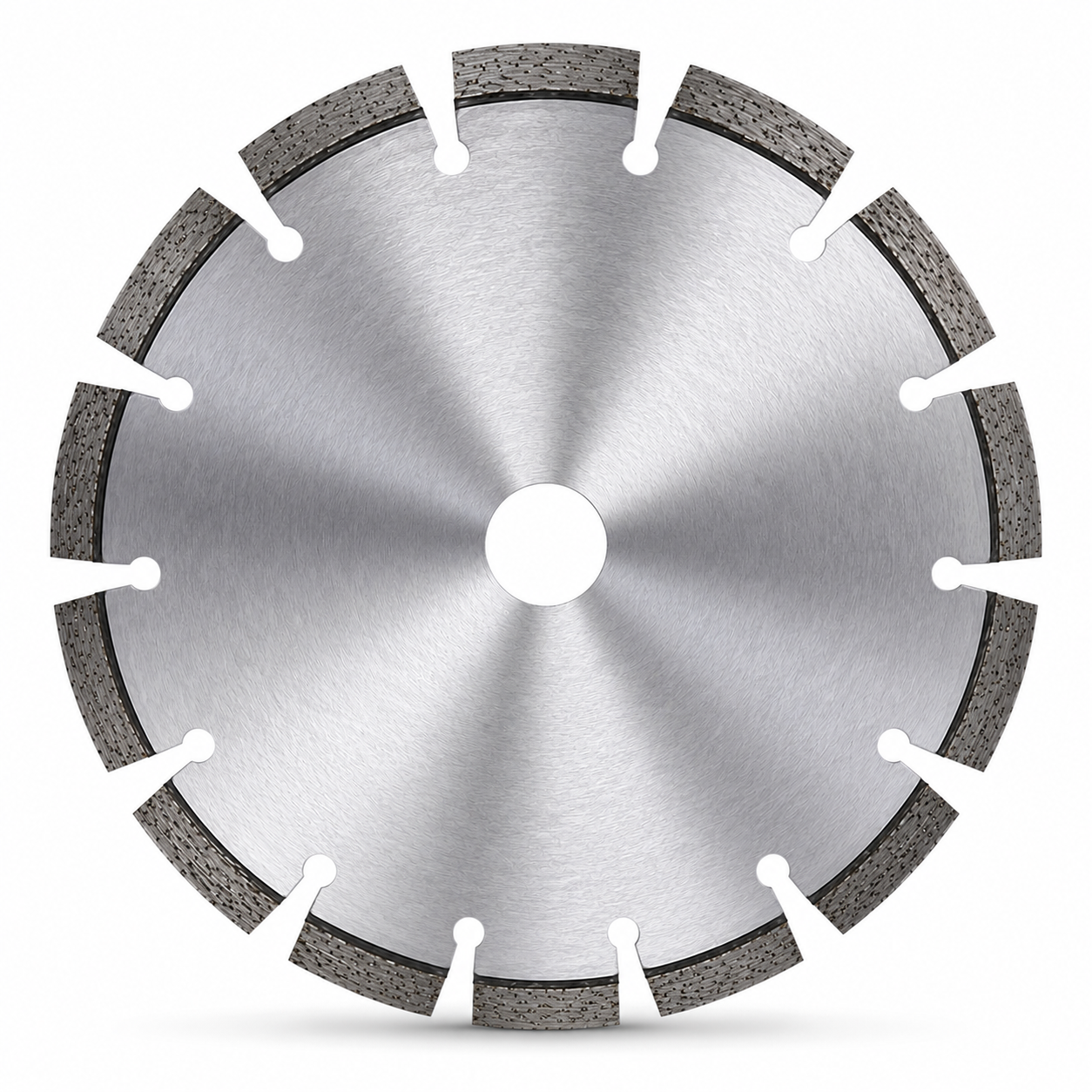
Description
Remodel and small-commercial work rarely stays on one material. You open a block wall, meet a concrete lintel, then trim brick on the same afternoon. Changing blades three times costs more in downtime than the blades themselves cost.
What a combo rim actually is
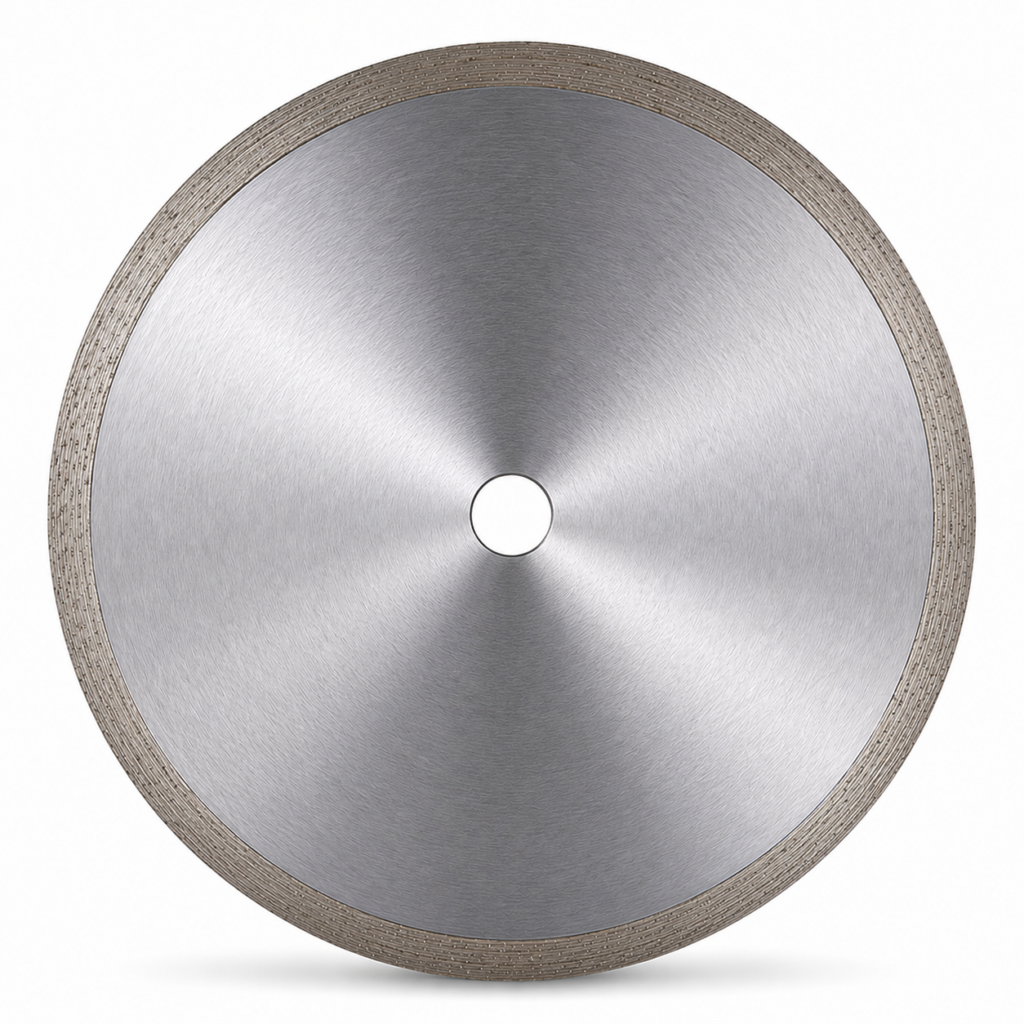
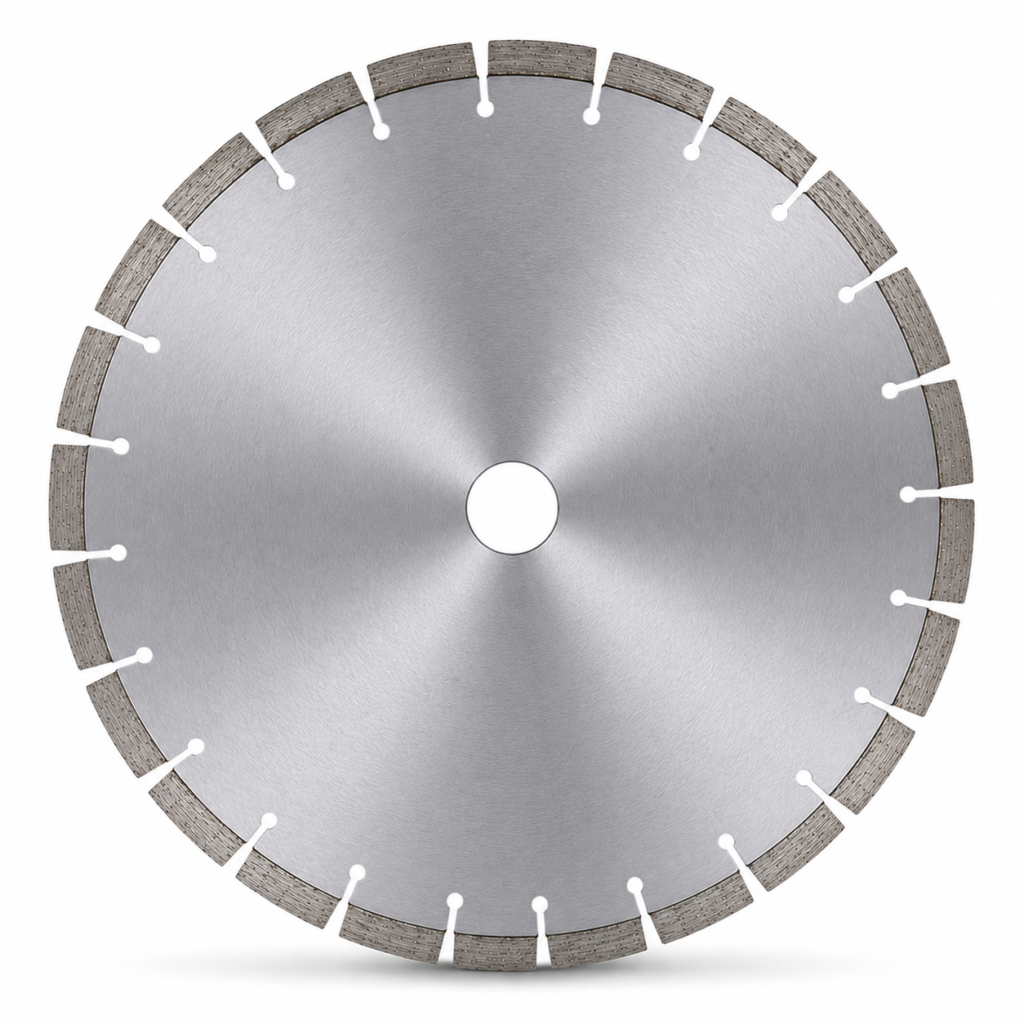
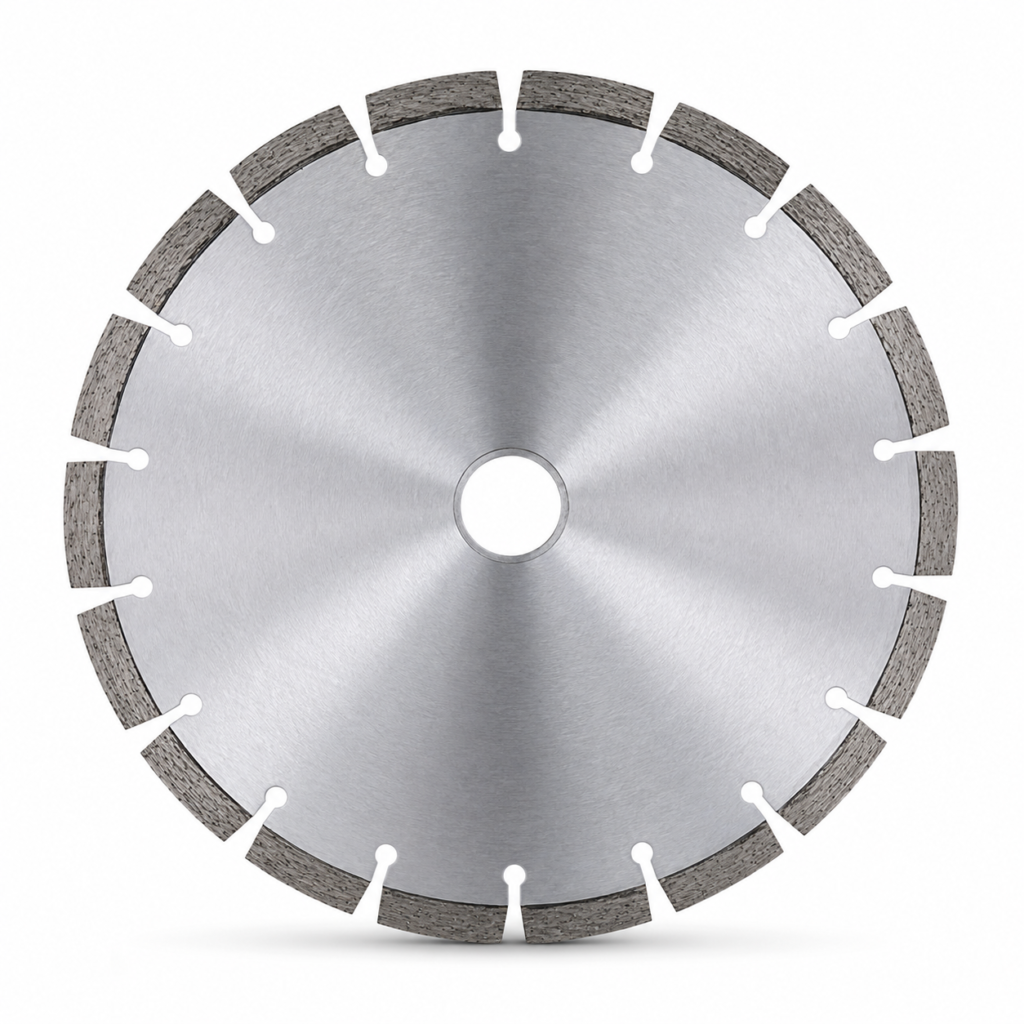
The combo segment is a deliberate compromise. It keeps the slotted rim and debris clearance a segmented blade needs in concrete, but pairs it with a tighter gullet and a medium bond that survives soft, abrasive block without shedding diamond. It will not out-cut a dedicated concrete blade in concrete, and it will not out-last a dedicated masonry blade in CMU. It will do both acceptably without a blade change, which on mixed work is the more valuable property.
When to reach for it, and when not to
- Use it for mixed-material demolition, punch-list cutting, and any job where you carry a single saw to the deck.
- Skip it for production cutting in one material — a matched blade cuts faster and costs less per linear foot.
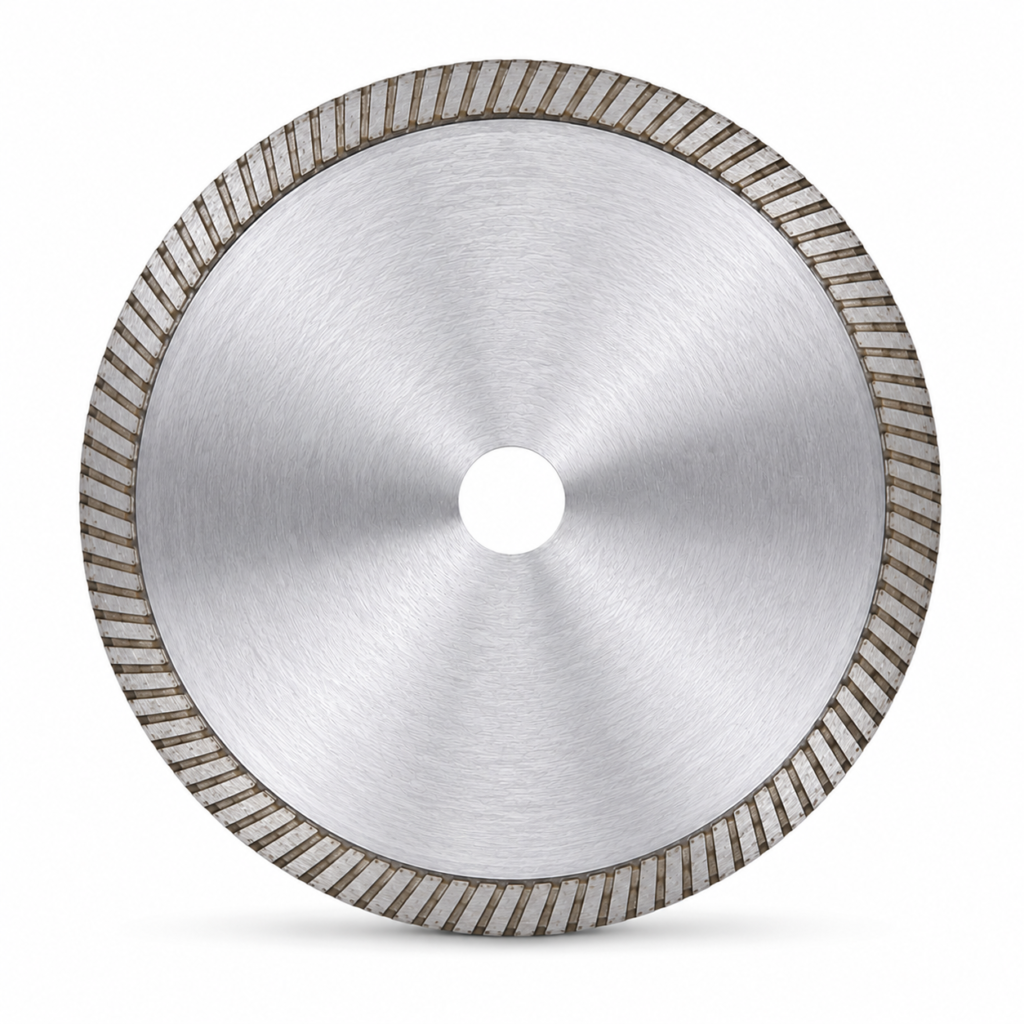
Four diameters, 7″ to 14″, for handheld cut-off saws and masonry table saws. Dry rated. Step-cut in shallow passes and let the rim run free between cuts rather than burying it; heat is what glazes a combo rim. Compare rim types in segmented vs turbo vs continuous, or see the general purpose range.