
Showing all 2 results
-
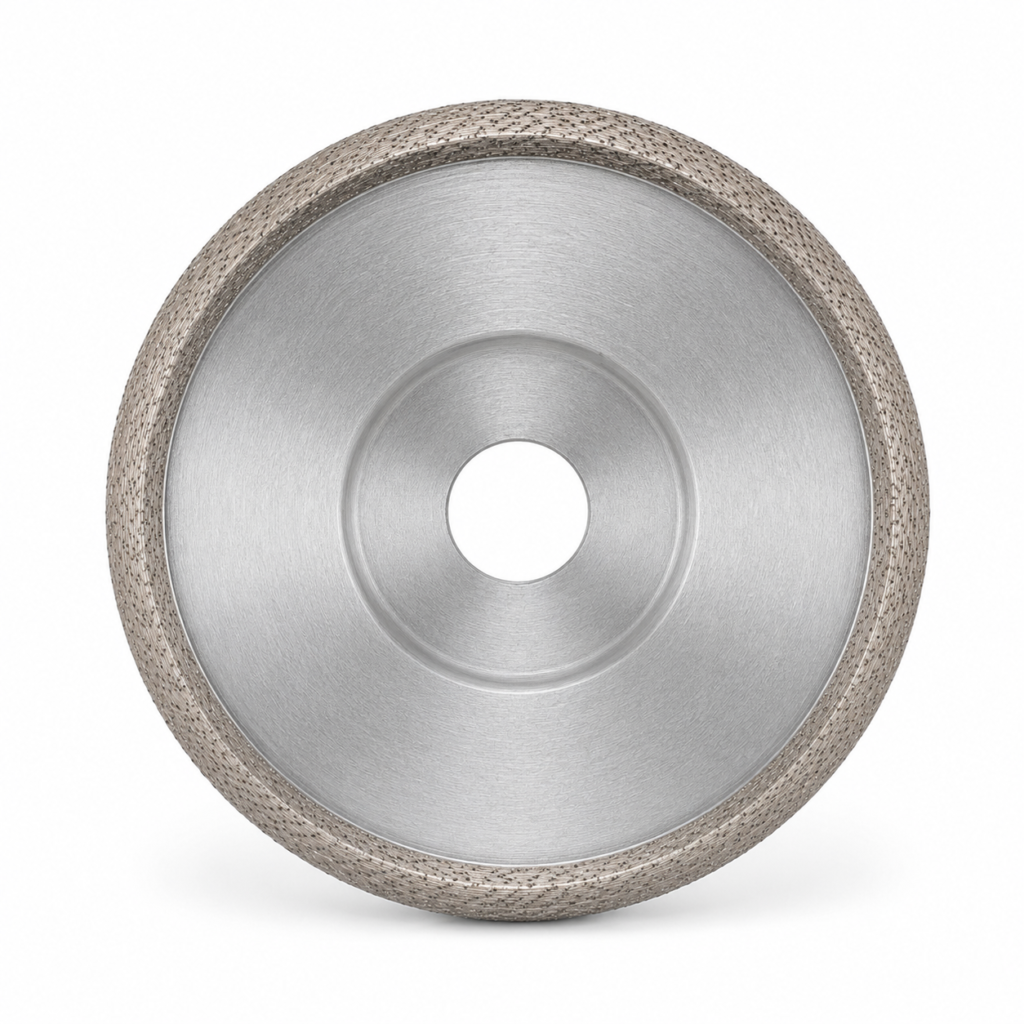
DOT Crack Chaser Blade
V-segment diamond crack-chaser blade for routing concrete & asphalt cracks before repair, 4–5″.
Price range: $45.00 through $55.00 -
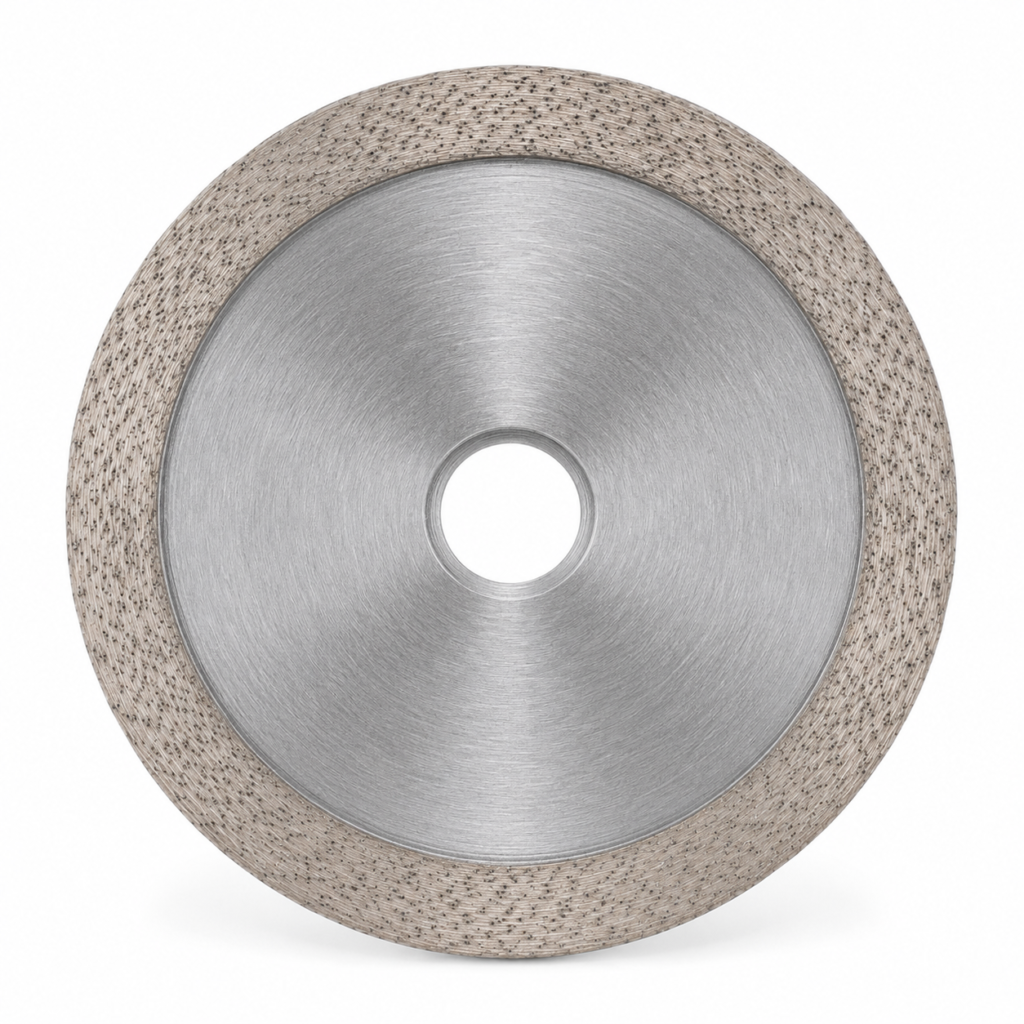
DOT Tuck Point Blade
Thick-rim diamond tuck-point blade for removing mortar joints before repointing, 4–5″.
Price range: $45.00 through $55.00
Tuck Point and Crack Chaser Blades
These two blades look similar on the shelf and do completely different jobs. A tuck point blade rakes old mortar out of masonry joints ahead of repointing. A crack chaser routs a crack in concrete or asphalt into a clean channel so filler has something to bond to. Both run on an angle grinder, both use a thick rim, and both are the difference between a repair that lasts and one that fails within a season.
Tuck Point Blades
Repointing starts with getting the old mortar out cleanly, and a tuck point blade is built for exactly that. The rim is deliberately thick — usually around 1/4″ — because the blade has to grind the joint to a consistent width without biting into the brick or block either side. A standard thin blade wanders, chatters and damages the masonry arris. Work to a consistent depth, typically around twice the joint width, so the new mortar has enough purchase to hold. On soft historic brick, take more passes at lower pressure rather than forcing a single deep cut.
Crack Chaser Blades
A crack chaser uses a V-shaped segment profile to open a crack out into a tapered channel, and that geometry is the entire point. Sealant or filler needs sound material and two angled faces to key into. Poured straight into an unprepared hairline crack it bonds to dust and debris, sits proud of the surface, and lifts out under the first freeze or the first heavy load. Chasing the crack first removes the loose edges, exposes clean concrete and gives the filler a reservoir of consistent depth. It is an extra step that roughly determines whether the repair lasts one winter or ten.
Technique and Depth
Both blades cut dry on a standard angle grinder and both generate serious dust. Keep the grinder square to the work — tilting either blade loads one side of the rim and wears it unevenly. Move at a steady walking pace rather than pushing; a thick-rim blade removes material through repeated passes, not through pressure. On long runs, watch for the rim heating up and give it a few seconds spinning free in air to shed heat.
Dust and Silica
Raking mortar and chasing cracks are both high dust-generating tasks, and mortar dust carries respirable silica just as concrete does. Use a shroud matched to the blade diameter with a HEPA vacuum attached — this is the recognized engineering control under OSHA Table 1, and it also keeps the joint visible while you work, which improves the quality of the cut.
Frequently Asked Questions
What is a tuck point blade used for?
Raking old mortar out of masonry joints before repointing. Its thick rim grinds the joint to an even width without damaging the brick or block on either side.
What does a crack chaser blade do?
It routs a crack in concrete or asphalt into a clean V-shaped channel, giving sealant sound material and two angled faces to bond to. Filling an unchased crack rarely holds.
Can I use a tuck point blade as a crack chaser?
Not effectively. A tuck point blade cuts a square-sided slot; a crack chaser cuts a tapered V. The V profile is what makes filler key in and stay put, so use the right one for the job.
How deep should I rake a mortar joint?
A common guide is around twice the joint width, which gives the new mortar enough depth to hold. Take several passes rather than one deep cut, especially on soft historic brick.
Why is my blade wearing unevenly?
Almost always because the grinder is being tilted rather than held square. That loads one side of the rim and wears it out of true. Keep the machine perpendicular and let the blade track its own line.
Do I need dust extraction for tuck pointing?
Yes. Mortar and concrete dust both carry respirable silica, and a shroud with a HEPA vacuum is the recognized control under OSHA Table 1. It also keeps the joint visible while you cut.
What size blades are these?
Typically 4″ to 5″ to suit a standard angle grinder, which gives good control in joint work and fits into tight corners along walls.
Repointing or repairing cracks? Tell us the joint width and the surface — call our team at (701) 922-1526.