
Showing all 3 results
-
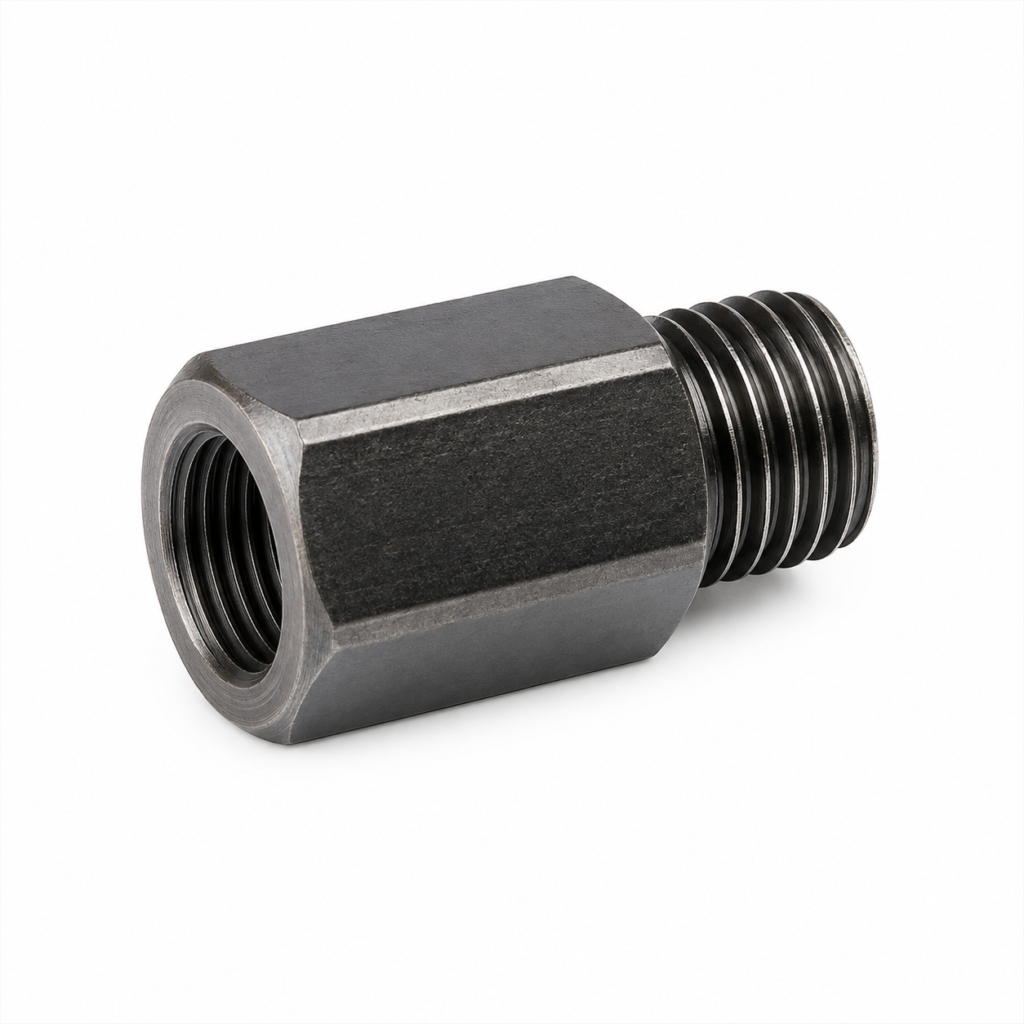
DOT Core Bit Adapter 5/8″-11 to 1-1/4″-7
Hardened thread adapter, 5/8″-11 to 1-1/4″-7, to run any core bit on any drill.
$24.00 -
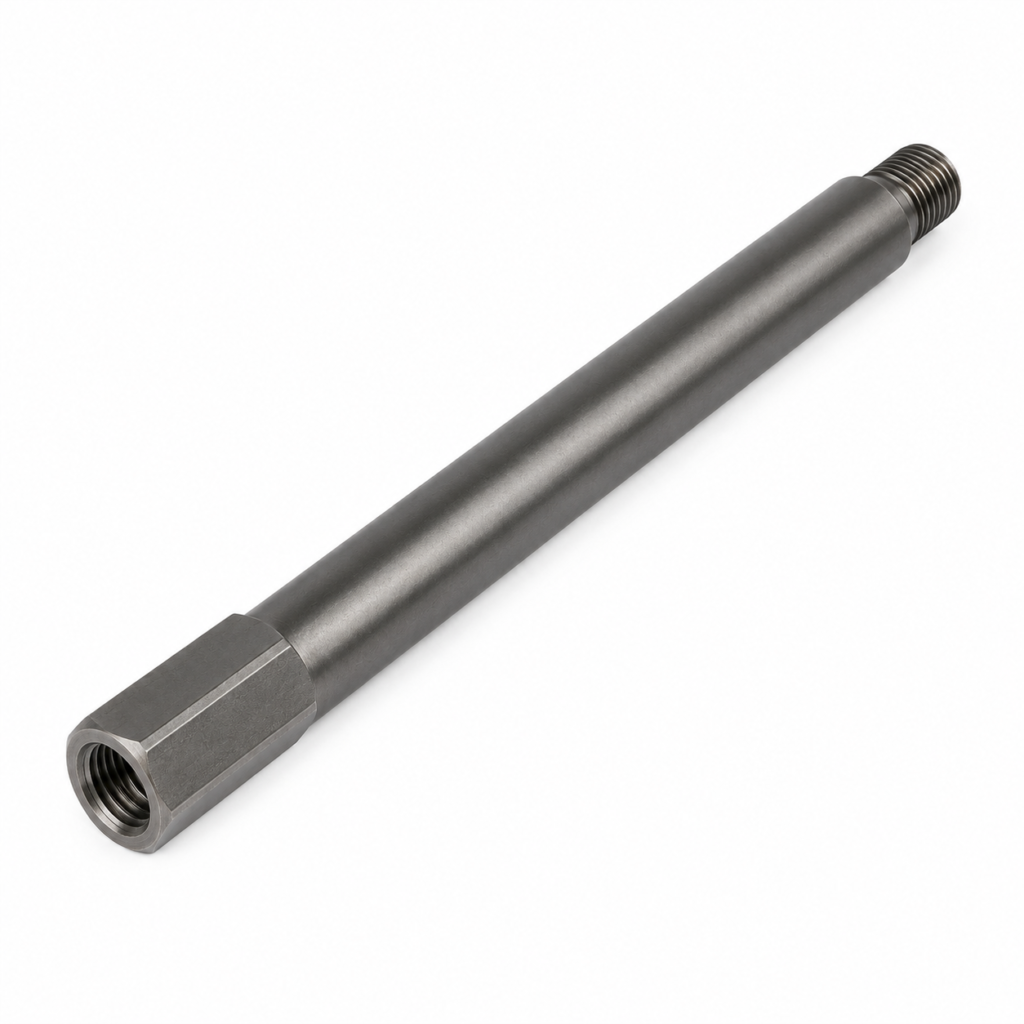
DOT Core Bit Extension 12″
12″ core bit extension, 1-1/4″-7 male/female, for deep core drilling.
$59.00 -
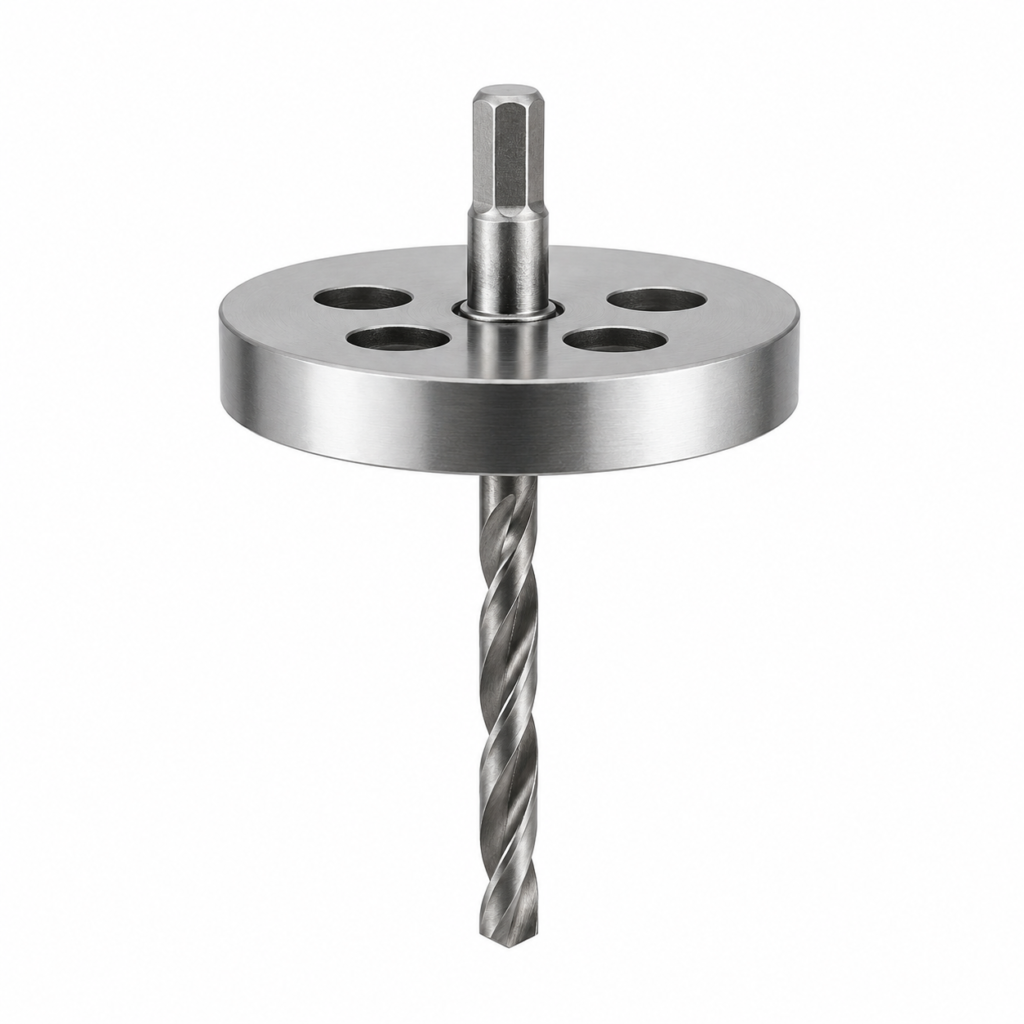
DOT Pilot Bit / Centering Guide
Centering pilot guide for clean handheld core starts; fits dry core bits 2–6″.
$29.00
Core Bit Adapters, Extensions and Guides
Core drilling fails on small parts more often than on the bit itself. The wrong thread, no way to reach the far side of a thick wall, or a bit that wandered at start-up will each stop a job that the bit was perfectly capable of finishing. This range covers the thread adapters, extensions and centering guides that make a core bit and a drill work together properly.
Thread Adapters
Two thread standards dominate core drilling and they do not mate directly. 1-1/4″-7 is the fitting on core rigs and wet drills; 5/8″-11 is the fitting on handheld dry drills. A thread adapter crosses between them, which means one machine can run both families of bit and you are not forced to duplicate your inventory when a job changes. Fit adapters clean and tight — grit on the threads is the usual reason an adapter seizes onto a bit and has to be cut off.
Core Bit Extensions
A standard barrel has a finite working length, and thick slabs, deep footings and double-wythe walls exceed it. An extension adds reach between the drill and the bit so you can complete the penetration in one setup instead of drilling from both faces and hoping the holes meet. Keep in mind that extensions amplify any misalignment: the further the bit is from the drive, the more a small angular error becomes a large positional one at the far face. Extensions belong on a rig, not on a handheld drill.
Pilot Bits and Centering Guides
A core bit has no point, so at start-up the rim skates until it has cut a groove. On a handheld drill that means a wandering hole and a bit that can kick. A pilot bit or centering guide locates the bit exactly where the mark is and holds it while the rim bites, which is the difference between a hole where it was specified and a hole roughly nearby. Once the groove is established the guide is retracted and the bit follows its own kerf.
Getting the Slug Out
The core, or slug, has to come out of the barrel before the next hole. On shallow work it usually drops free; on deep holes it can seize, especially if the bit wandered. Break the core periodically on deep penetrations rather than drilling the full depth in one pass, and drive the slug out from the open end rather than levering against the segments. Segments knocked off while clearing a slug are one of the more avoidable ways to ruin a serviceable bit.
Frequently Asked Questions
What does a core bit adapter do?
It converts between the two thread standards — 1-1/4″-7 for wet bits and rigs, 5/8″-11 for dry bits and handheld drills — so a single machine can run both types of bit.
When do I need a core bit extension?
When the slab, footing or wall is deeper than the working length of the barrel. An extension lets you finish the penetration in one setup rather than drilling from both sides.
Can I use an extension on a handheld drill?
It is not advisable. Extensions magnify any misalignment and add leverage, so they belong on an anchored rig where the feed stays square to the surface.
What is a pilot bit for?
It stops the core bit wandering at start-up by locating and holding it until the rim cuts a groove. Once the groove is established it is retracted and the bit follows its own kerf.
How do I remove a stuck core from the barrel?
Drive it out from the open end rather than levering against the segments. On deep holes, break the core periodically instead of drilling the full depth in one pass, which stops it seizing in the first place.
Why has my adapter seized onto the bit?
Grit on the threads, usually. Clean both threads before fitting and avoid over-tightening. A seized adapter often has to be cut off, which costs the bit as well.
Do adapters reduce drilling performance?
Marginally, because every joint adds a little runout and takes some rigidity out of the setup. For most work the difference is not noticeable, but on large-diameter holes in hard concrete a bit with the native thread will run truer than an adapted one.
Not sure what you need to complete a setup? Tell us the drill, the bit and the depth — call our team at (701) 922-1526.